Teaching Emotions to Preschoolers: Why It’s Important and How to Do It
As parents, caregivers, and educators, we know that teaching preschoolers about emotions is one of the most valuable gifts we can give them. Emotions are a central part of human life. Understanding them helps children build strong social skills.
They also form healthy relationships and gain emotional well-being. The process of helping preschoolers recognize and name their feelings is not only fun but vital for their development. In this blog post, we’ll discuss the importance of teaching emotions.
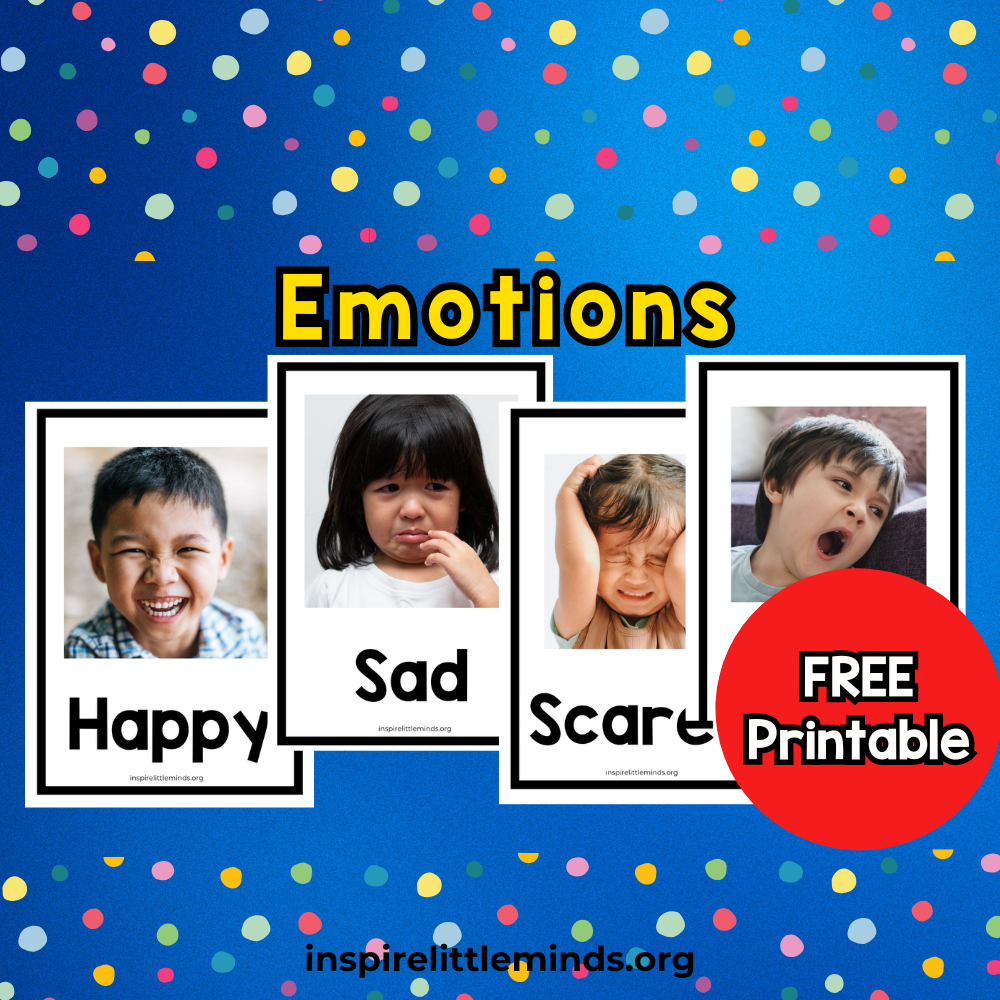
Stay tuned for a free printable set of emotions flashcards to use with your little ones!
Why Teaching Emotions is Important for Children
1. Emotional Awareness: Preschoolers are learning to navigate the world around them, and understanding their own emotions is a key part of that journey. When children can identify how they’re feeling—whether it’s happy, sad, mad, or excited—they begin to understand themselves better. This awareness lays the foundation for self-regulation and can help prevent emotional meltdowns.
2. Social Skills Development: Learning to identify emotions is also crucial for developing empathy. Children who understand their own emotions can begin to recognize emotions in others. This awareness leads to stronger social connections. It helps children interact with their peers in a more respectful and compassionate way.
3. Conflict Resolution: Teaching preschoolers how to manage their emotions helps them deal with conflicts constructively. For example, if a child feels angry, they need strategies to calm down and express their feelings appropriately. When emotions are acknowledged and expressed, kids are more likely to find solutions to disagreements rather than acting impulsively.
4. Building Emotional Resilience: Life is full of ups and downs, and emotions play a key role in how we cope with those challenges. By teaching preschoolers that it’s okay to feel a wide range of emotions, we help them build emotional resilience— the ability to bounce back from difficult situations.
How to Teach Emotions to Preschoolers
Now that we know why teaching emotions is important, let’s explore some fun and effective ways to teach these concepts to preschoolers.
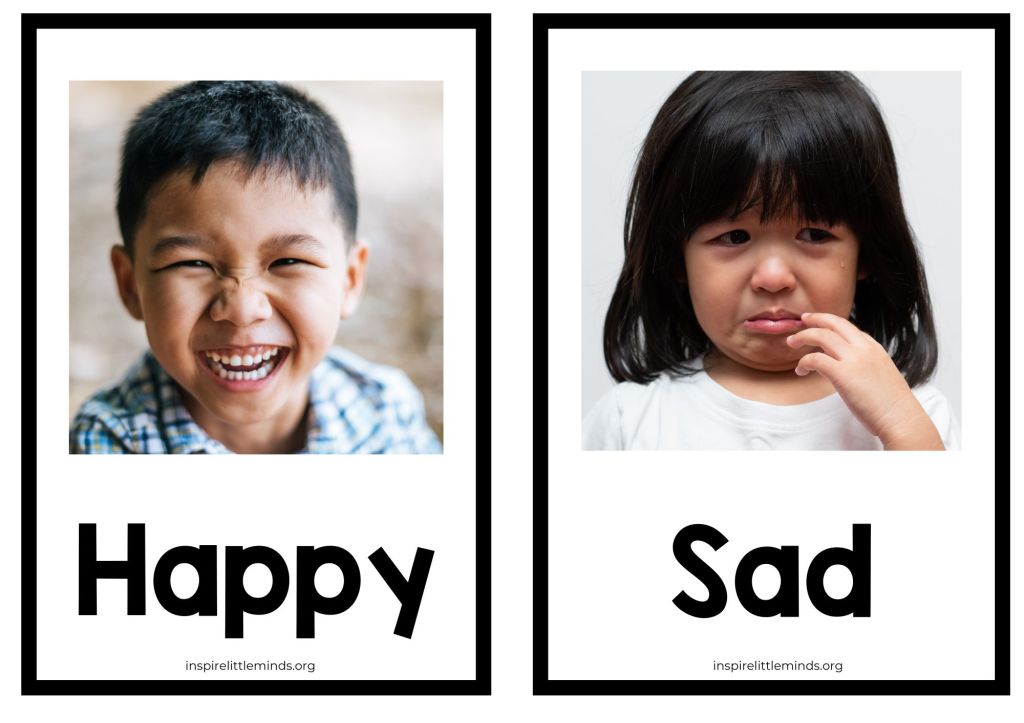
1. Use Emotions Flashcards: Flashcards are a great way to introduce different emotions. You can show a flashcard with a face expressing a specific emotion, and ask your child to guess what it is. Discuss how that emotion might feel and give examples of times they’ve felt that way. (Download our free emotions flashcards at the end of this post!)
2. Play “Feelings Charades”: Kids love to act out and mimic, so why not use charades to teach emotions? You can take turns acting out different emotions like “angry,” “surprised,” or “silly.” This not only helps kids recognize emotions but also teaches them to express themselves in a fun and safe way.
3. Read Books About Emotions: There are so many wonderful children’s books focused on emotions! Reading stories about characters who go through different emotional experiences helps children understand and relate to these feelings. Books like The Color Monster by Anna Llenas or The Way I Feel by Janan Cain are excellent resources to get started.
4. Use Everyday Situations: Talk to your child about emotions in everyday situations. If your child is upset because they didn’t get their way, you can calmly say, “It looks like you’re feeling frustrated because you wanted to play with that toy.” By naming the emotion out loud, you help your child recognize and label their feelings.
5. Incorporate Art and Play: Let your child express emotions through art or play. For example, provide paper and crayons for them to draw how they’re feeling. You can ask questions like, “Can you draw what your happy face looks like?” or “What does ‘sad’ look like to you?” These activities let kids explore emotions in a creative way.
6. Be a Model for Emotional Expression: One of the best ways to teach emotions is to model healthy emotional expression yourself. Show your child how you manage your own feelings by saying things like, “I’m feeling really tired today, and I need a little rest” or “I’m so happy we get to spend time together.” When children see you express emotions in a healthy way, they’ll be more likely to do the same.
Free Printable Emotions Flashcards Below
To make learning about emotions even more engaging, we’ve created a set of free printable emotions flashcards for you! These cards feature a variety of facial expressions representing different emotions like happiness, sadness, anger, surprise, and more.
Use them to spark conversations, play games, or just reinforce emotional vocabulary with your child.
Conclusion
Teaching preschoolers about emotions is one of the most impactful things we can do as caregivers and educators.
With the help of games, books, and activities, you can make learning about emotions fun and meaningful for your little ones.
So, download the free flashcards, get ready to play, and help your child grow in emotional intelligence
Join the community
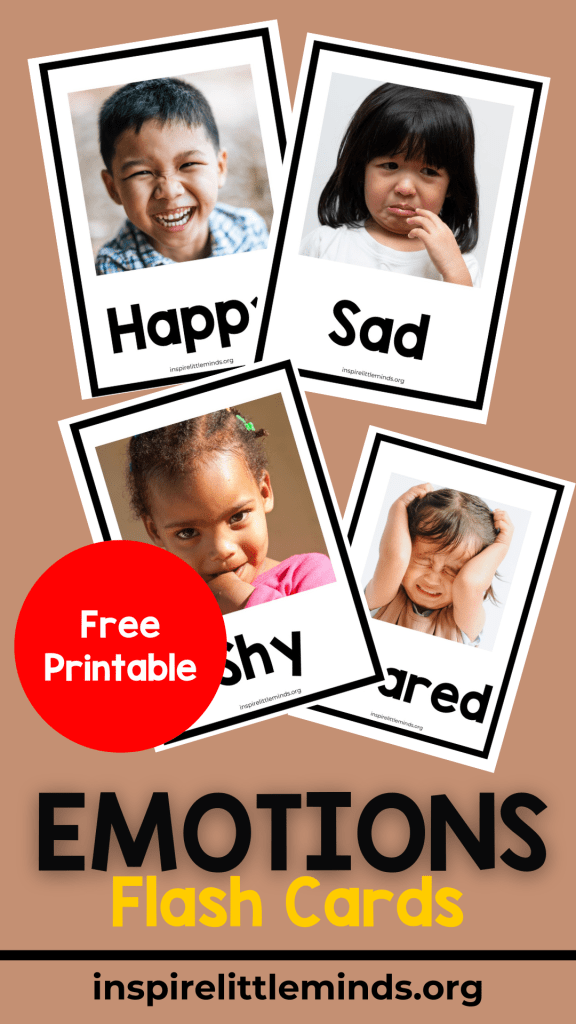

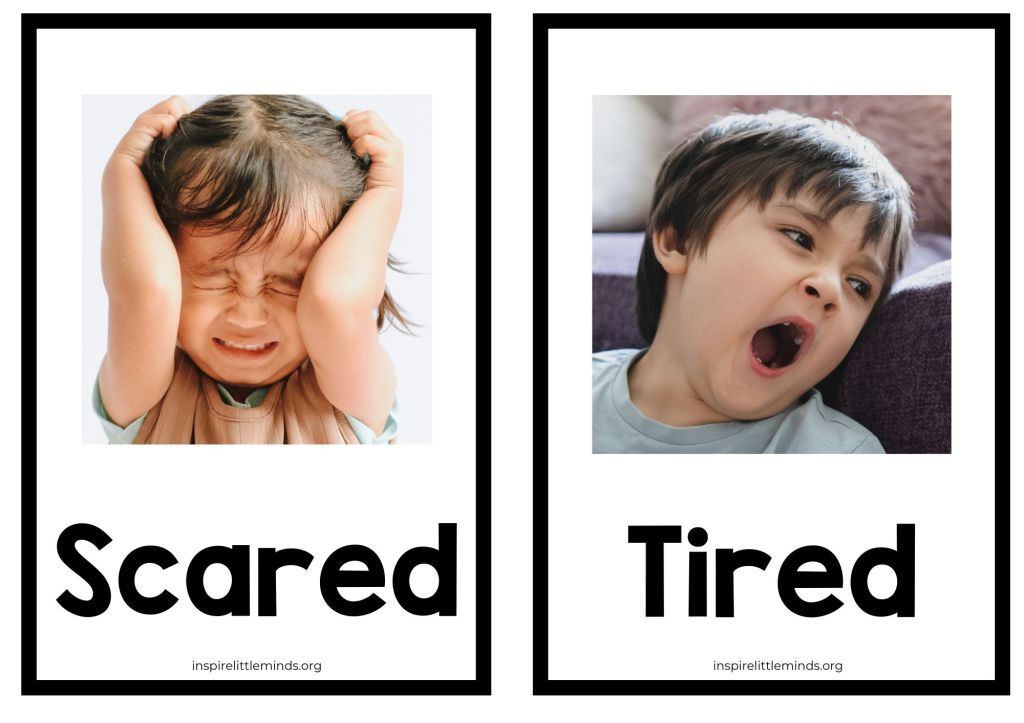
Download your FREE Emotions Flash Cards here!
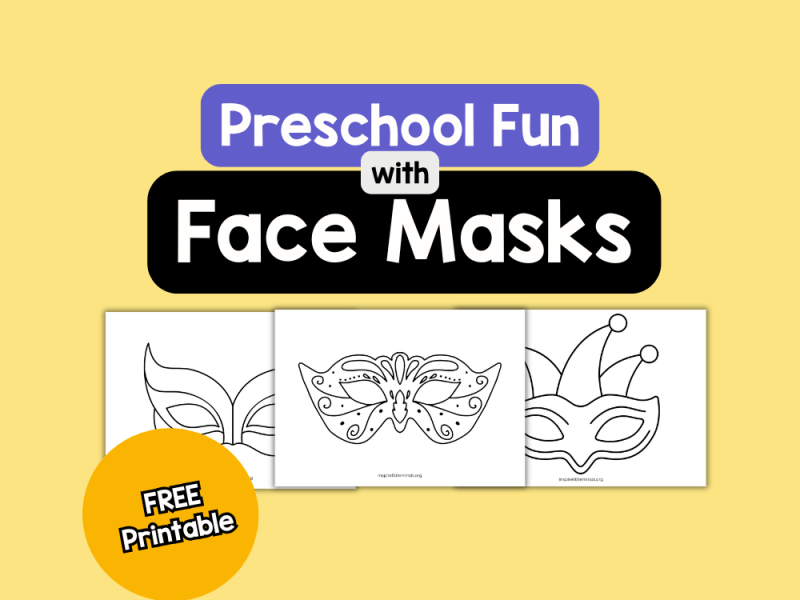
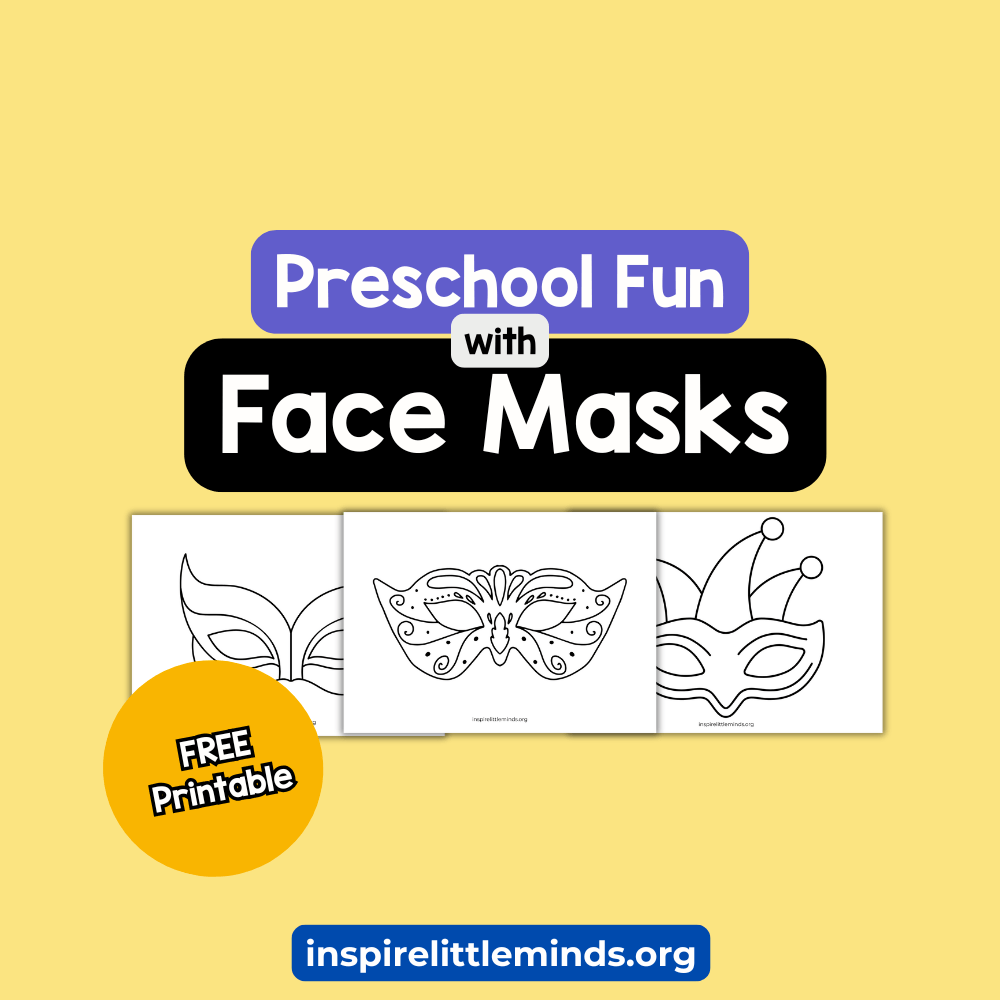
Preschool Fun with Face Masks
Character role play engages children’s imagination while teaching emotional and social skills. Free printable face masks enhance pretend play, allowing kids to explore various roles. Through role play, children develop language, confidence, and problem-solving skills. Creating themed environments encourages deeper learning about emotions and cultural awareness, enriching their creative experiences.

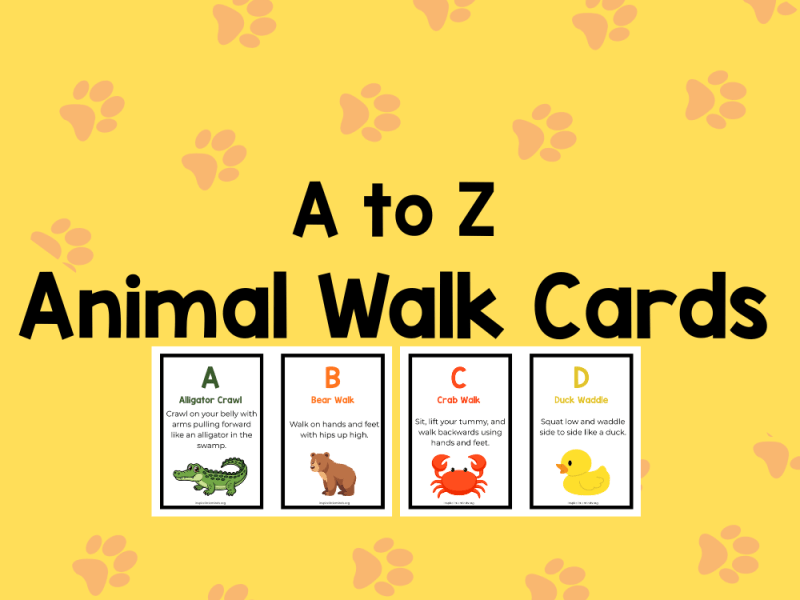
Animal Walk Cards: Fun Movement and Imagination Play for Preschoolers
The Animal Walk Cards are a fun, engaging resource that encourages children to inventively move like various animals. This activity promotes gross motor skills, imagination, self-regulation, social interaction, and language development. Ideal for classroom or home use, these cards facilitate joyful play while enhancing physical and emotional growth in preschoolers.

10 Social- Emotional Activities for Preschoolers
Social-emotional learning (SEL) fosters preschoolers’ emotional intelligence, confidence, and empathy through engaging activities. Ten suggested activities include using flashcards for emotions, mindfulness techniques, crafting gratitude projects, and reading emotionally resonant stories. These interactive methods promote vital skills like self-awareness, emotional regulation, and relationship-building, ensuring children develop lasting social-emotional skills.
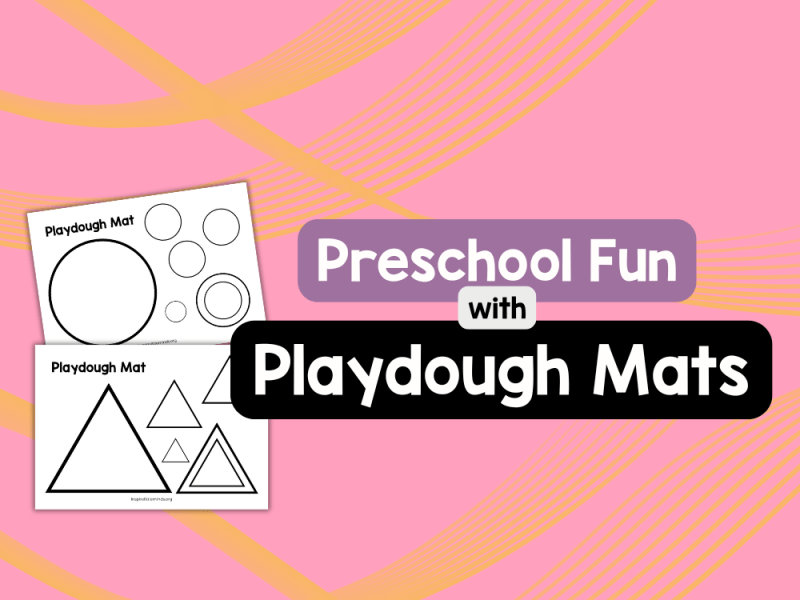
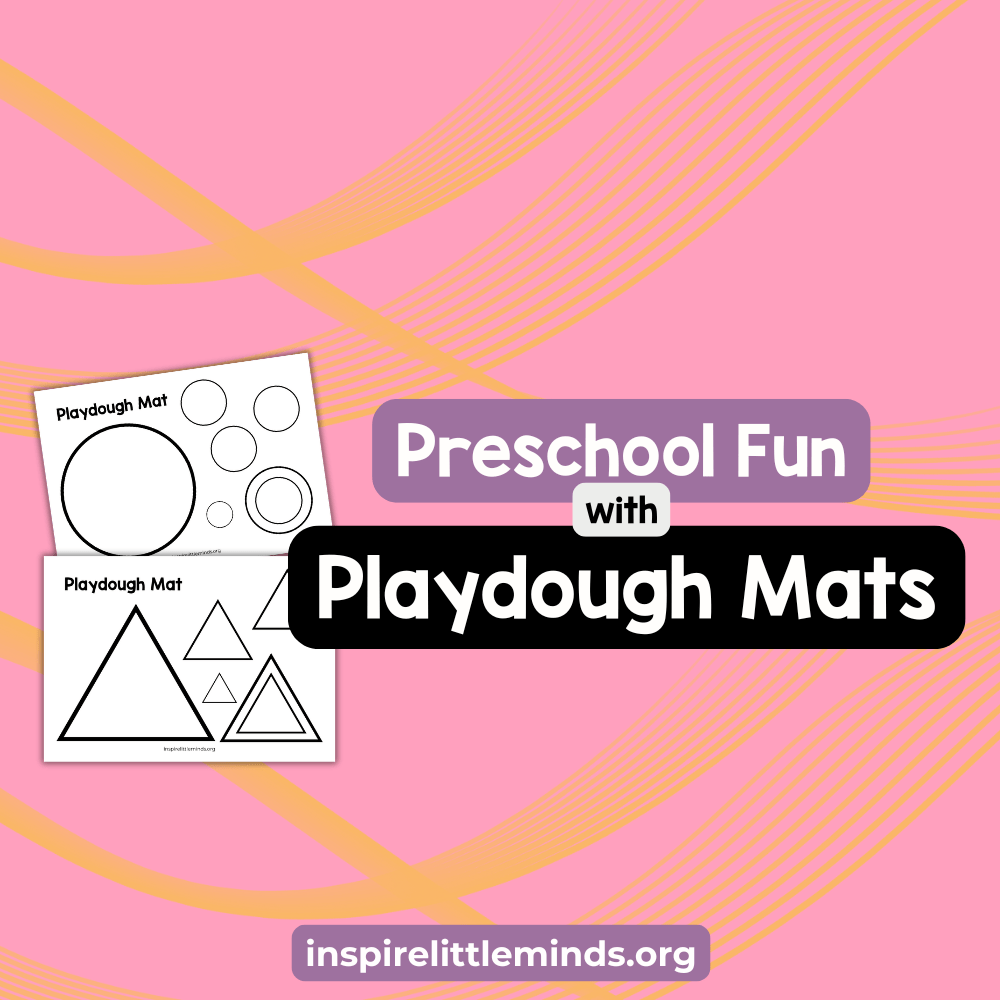
Learning Shapes Through Play: Fun with Playdough Mats
Playdough time promotes creativity and calmness in preschool environments. Adding shape playdough mats enhances this activity by helping children learn and identify shapes while strengthening fine motor skills. These mats provide hands-on learning experiences that encourage language development and creative problem-solving, making early geometry engaging for young learners at home or school.
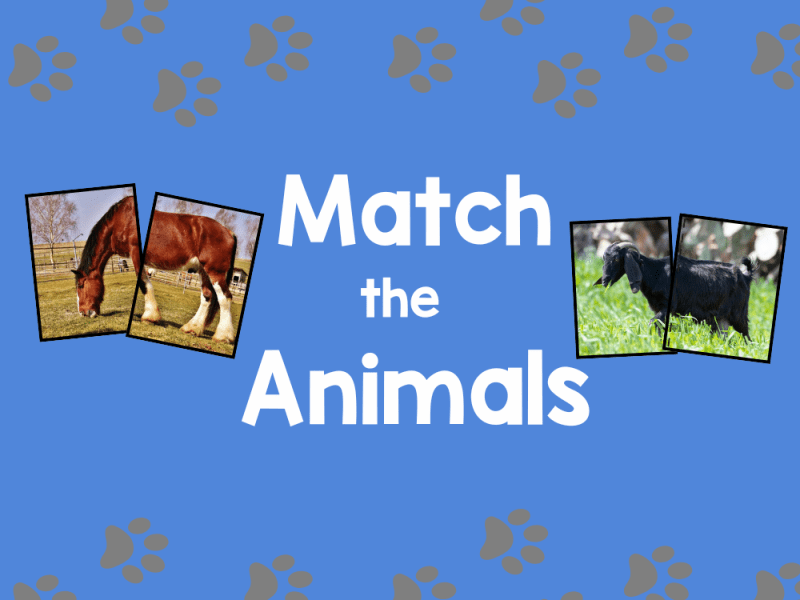
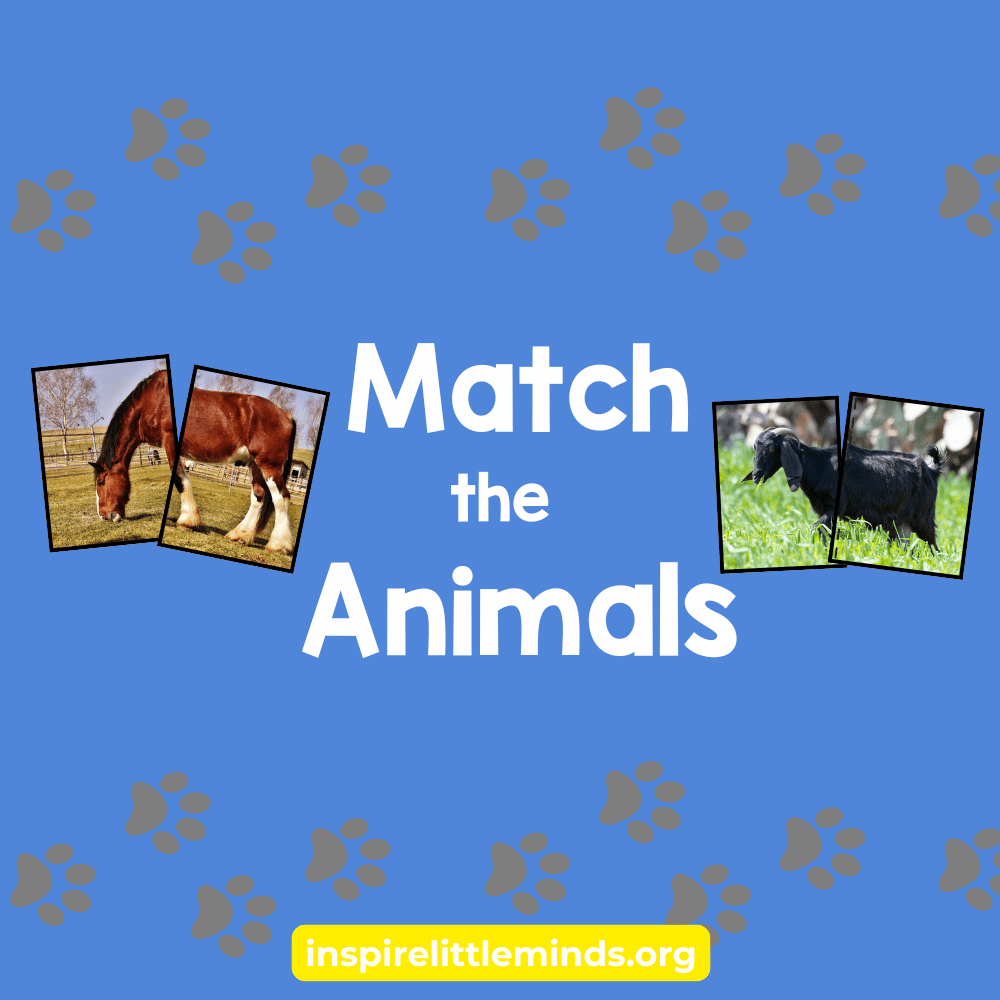
Animal Match-Up: A Printable Game for Early Learners
The Matching Animal Halves Game enhances preschoolers’ observation, concentration, and problem-solving skills. Children match halves of animal cards, supporting visual recognition, fine motor skills, cognitive development, and language learning. It can be played as a memory game or used for discussions and storytelling, making it an engaging educational activity.
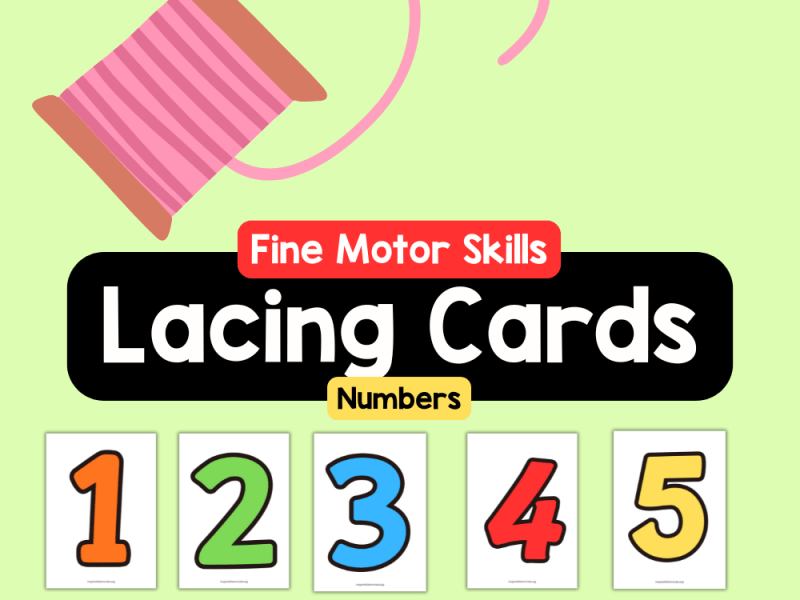
Fine Motor Fun with Lacing Cards
The Free Printable Lacing Cards are designed for young children to enhance threading skills, hand-eye coordination, and fine motor development, essential for pre-writing. To prepare, print, laminate, and hole-punch the cards, then use yarn for lacing. This activity promotes creativity, independence, and vocabulary-building in a fun, engaging manner.
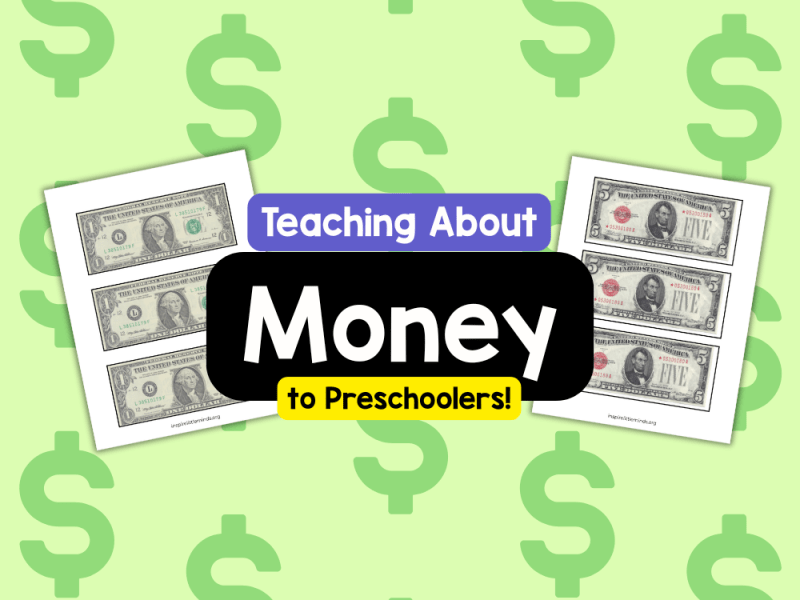
Teaching Preschoolers About Money Through Play
Introducing preschoolers to money helps them grasp numbers, value, and essential life skills. Learning about coins and notes fosters counting, basic exchanges, and concepts of sharing, saving, and spending. Utilizing Free Play Money Printables enhances this learning through engaging activities like pretend shops and sorting, linking financial concepts to real-life experiences.

Creative DIY New Year’s Hats for Preschoolers
New Year’s party hats for preschoolers are vibrant, fun, and encourage creativity through DIY projects. These hats can be easily made using construction paper and simple decorations. Interactive ideas like light-up or noisemaker hats enhance excitement. Providing children with templates promotes personal expression, making celebrations memorable and engaging for young ones.
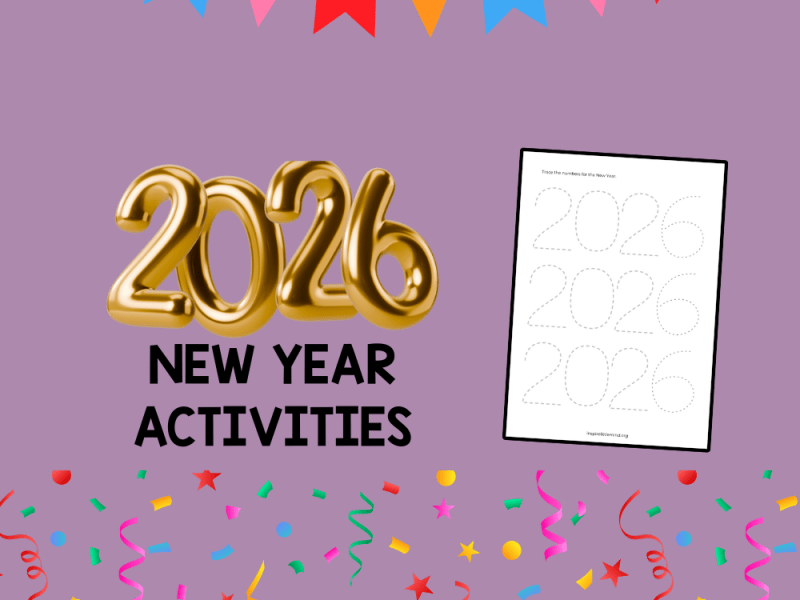
2026 New Year Tracing Activities for Preschoolers
The content introduces a set of four New Year’s themed tracing worksheets designed for preschoolers and kindergartners. These activities aid in developing fine motor skills, enhance handwriting, boost concentration, improve spatial awareness, and promote early literacy. Parents can easily download and print these worksheets for children’s enjoyment and engagement.
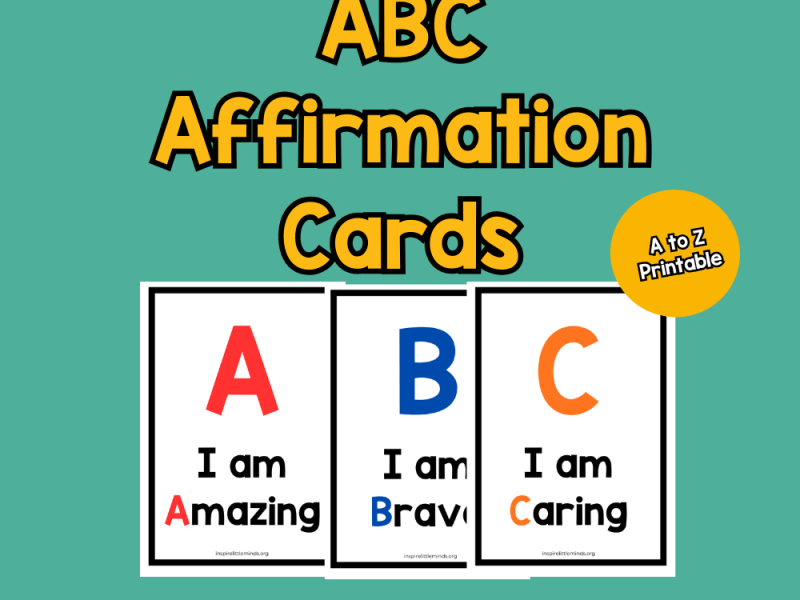
Alphabet Affirmation Cards
Positive affirmations enhance preschoolers’ confidence, self-esteem, and emotional wellbeing. The ABC Affirmation Cards combine alphabet learning with uplifting phrases, encouraging resilience and a growth mindset. Suggested uses include morning routines, literacy activities, and calm corners to reinforce these messages. Regular affirmation practice fosters a kinder self-view in children.
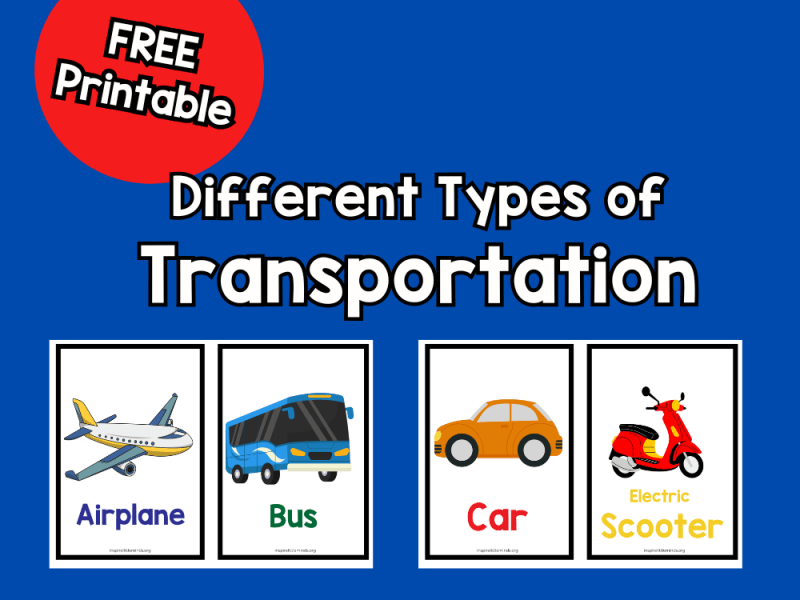
Different Types of Transportation
Learning about transportation captivates preschoolers, enhancing vocabulary and curiosity. Our Transportation Flashcards help children recognize vehicles like cars, trains, and boats. Activities include sorting, sound imitation, storytelling, and matching toys to flashcards, fostering language skills and imaginative play. Engaging further promotes understanding of movement and community roles of vehicles.

Learning the Alphabet Through Play
The Free Alphabet Bingo Printable Game transforms letter learning for preschoolers into a fun, interactive activity. It enhances letter recognition, phonemic awareness, and listening skills while fostering cooperation. By playing, children not only memorize letters but also engage actively, making learning enjoyable and effective. Download your game to start today!
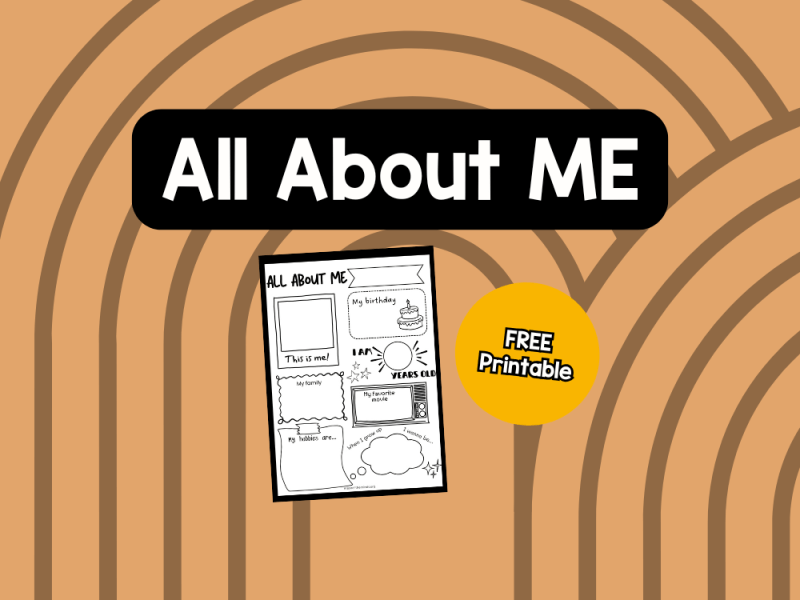
All About Me Template for Teachers
The beginning of a preschool year is significant for children and educators, marking new experiences. Engaging “All About Me” activities promote trust, self-awareness, and confidence by allowing children to share personal insights. Educators benefit by understanding students better. A free printable worksheet aids this process, supporting self-expression and reflection throughout the year.
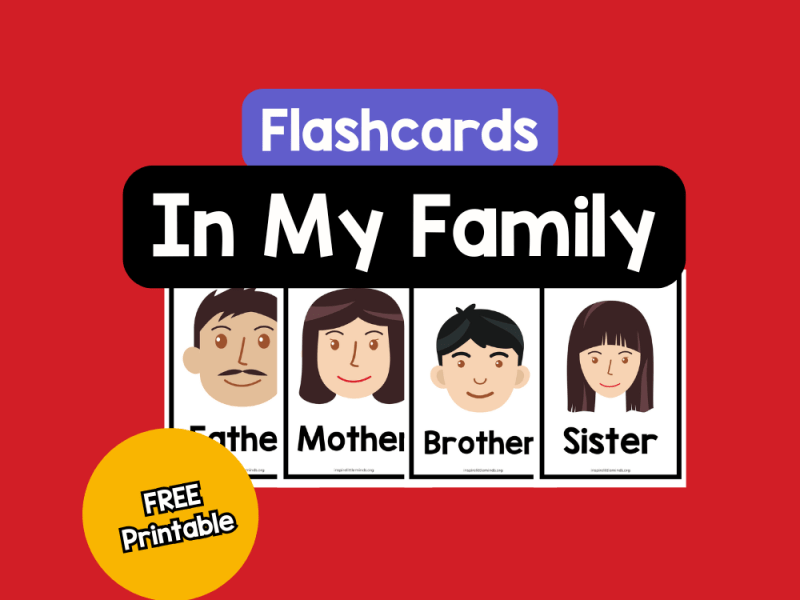
Exploring Family Roles with Preschoolers
Teaching preschoolers about families fosters understanding of relationships and belonging. Family Flashcards serve as a visual tool, enabling children to identify members and their roles. Activities include naming members, discussing family dynamics, and drawing families. Emphasizing inclusivity helps children recognize diverse family structures, enhancing emotional connections and identity.
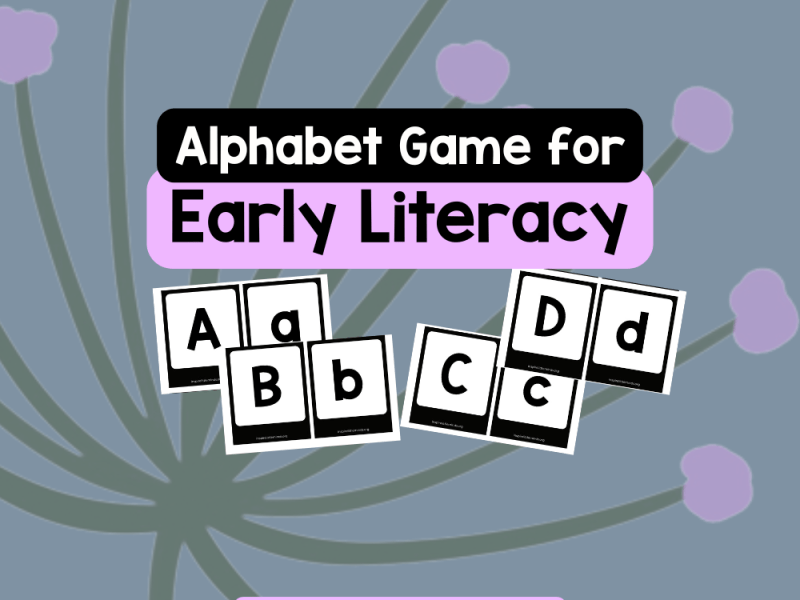
Engaging Alphabet Game for Early Literacy
Learning the alphabet is one of the most important early literacy skills for preschoolers. Recognizing letters and connecting them with sounds sets the foundation for reading and writing. The process should be fun, engaging, and hands-on so children can develop a love for learning right from the start. Why Alphabet Learning Matters Introducing letters in…
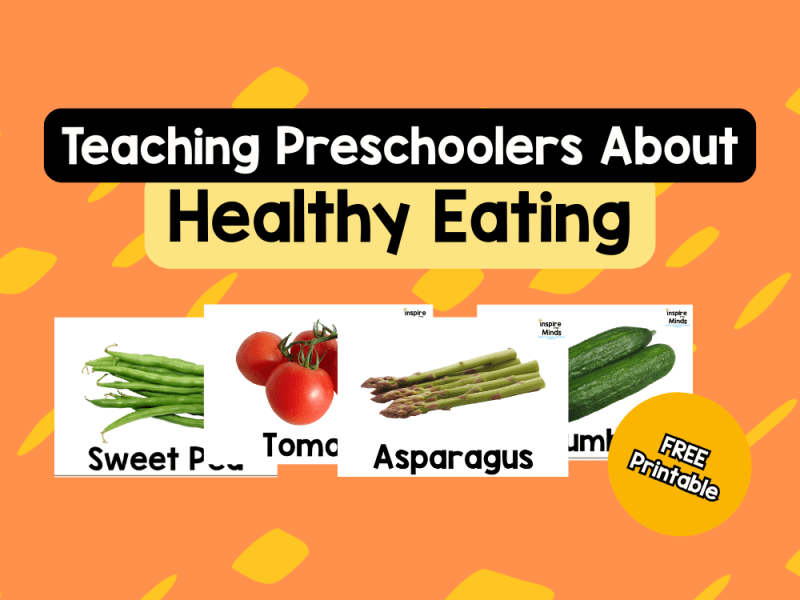
Teaching Preschoolers About Healthy Eating
Teaching preschoolers about healthy eating fosters early knowledge of nutritious foods and cultivates positive habits. Engaging methods, such as flashcards and fun activities, enhance learning while encouraging curiosity about fruits and vegetables. This playful approach helps establish a strong foundation for lifelong wellness and healthy eating routines at home and in classrooms.