Helping Preschoolers Connect Learning to the World Around Them
Disclosure: This post may contain affiliate links. If you make a purchase through these links, I may earn a small commission at no extra cost to you. Thank you for supporting this blog!
There’s something magical about the moment a child excitedly notices, “That window is a square!” or “My sandwich looks like a triangle!” It’s a clear sign they’re connecting learning to the world around them.
That’s when I know they’re starting to see shapes in real life—and it’s such a powerful step in early learning.
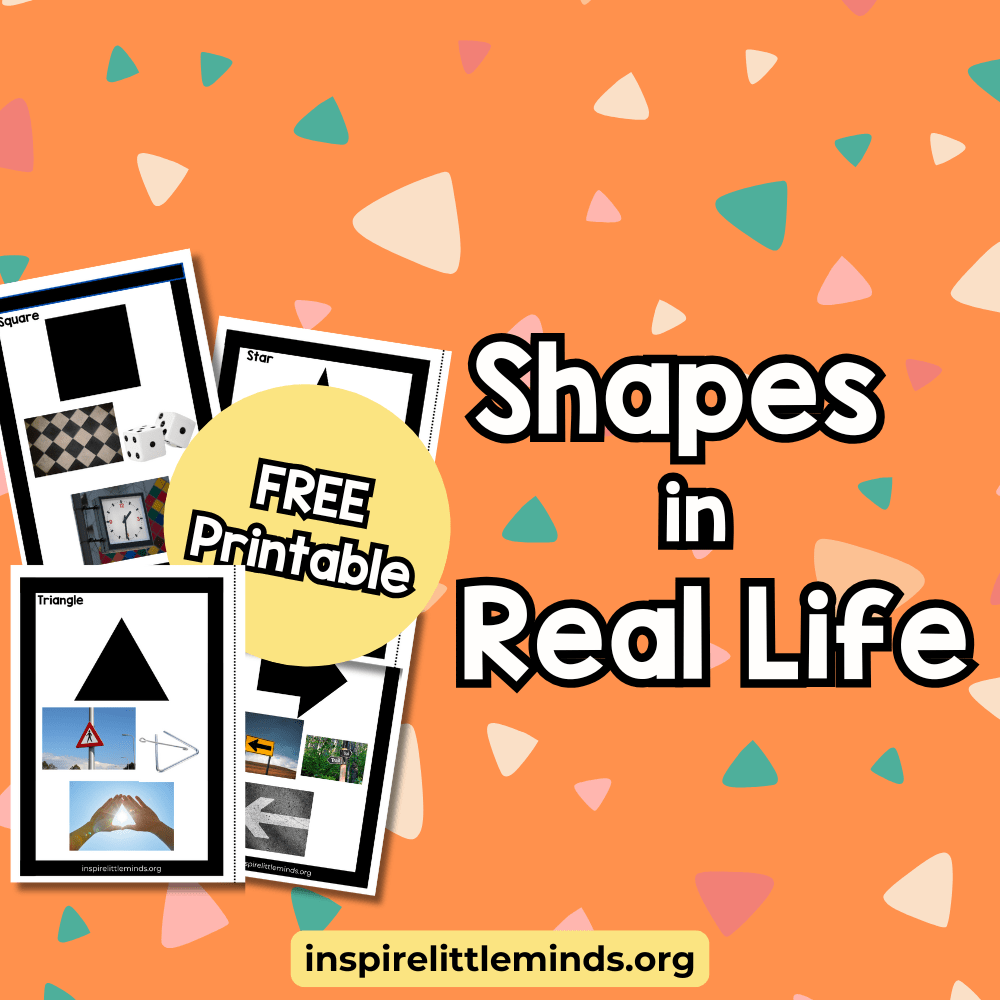
In this post, I’ll share why recognizing shapes in everyday life is important for preschoolers, fun ways to teach it. A FREE set of printable shape flashcards featuring real-life images you can use at home or in the classroom.
Why Shapes Matter in Early Childhood
Learning shapes is more than memorizing names—it’s about understanding the world visually and spatially. Shapes help children:
- Observe and describe objects
- Sort, classify, and compare
- Develop early geometry and math skills
- Build spatial awareness and problem-solving
When children can find shapes in real objects around them, they’re making meaningful connections between abstract concepts and the real world. That’s the goal!
Teaching Shapes in Real Life: Easy Ideas
Here are some simple and fun ways I bring real-life shape learning into my preschool classroom:
1. Shape Hunt
Take a walk indoors or outdoors and challenge children to find shapes in their environment. Clipboards and “shape detective” checklists make this extra fun!
2. Snack Shapes
Use snacks like crackers, fruit slices, or sandwiches to identify and talk about shapes. “Look, your cookie is a circle!”
3. Building with Blocks
Use wooden or foam blocks to build and describe the shapes you’re using—cubes, rectangles, cylinders, etc.
4. Shape Sorting with Real Objects
Set up a sorting tray with everyday items (buttons, lids, coasters, etc.) and have children group them by shape.
5. Recommended Books on Shapes in Real Life
1. City Shapes by Diana Murray, illustrated by Bryan Collier
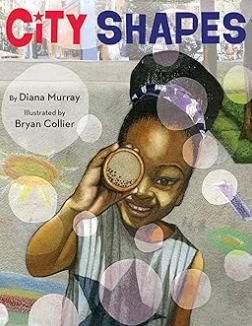
Follow a young girl as she finds shapes throughout her city—from rectangles on trucks to stars in the sky. The collage-style illustrations are stunning.
2. Round is a Tortilla: A Book of Shapes by Roseanne Greenfield Thong
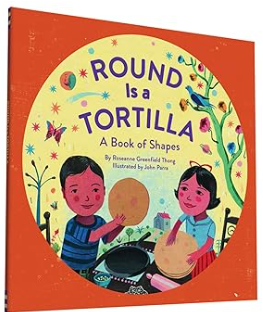
Blending cultural elements with basic geometry, this book introduces shapes through familiar objects like tortillas, sombreros, and piñatas.
3. Mouse Shapes by Ellen Stoll Walsh
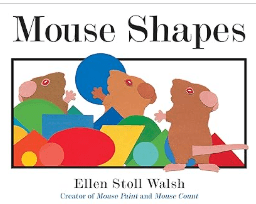
A charming story where mice use shapes to build and solve problems—great for combining literacy, shape recognition, and storytelling.
Free Printable: Real-Life Shape Flashcards
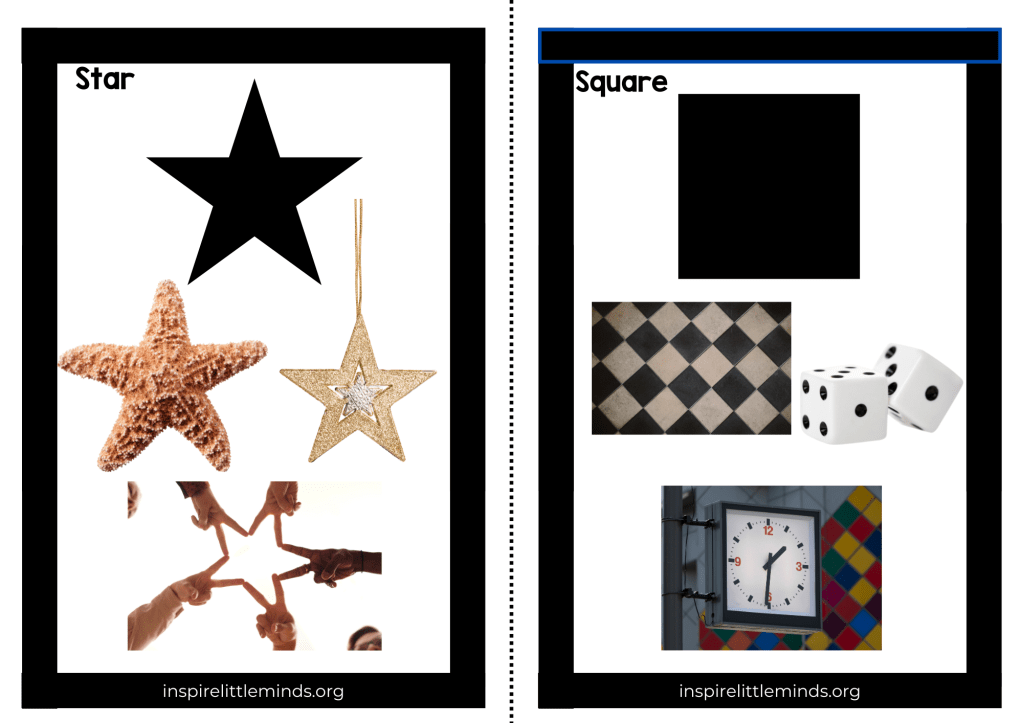
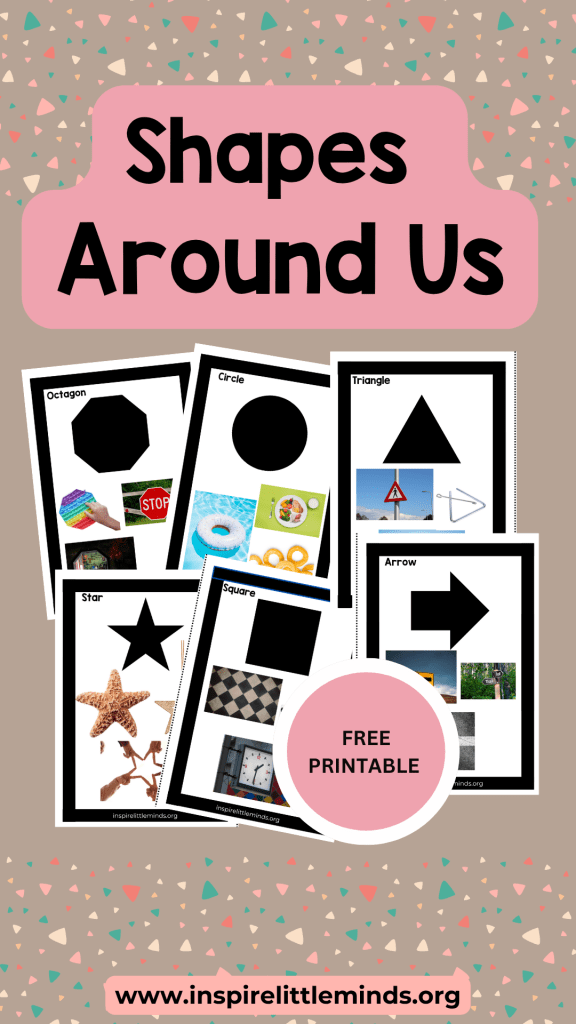
To support your shape lessons, I’ve created a set of free printable flashcards featuring real-life images of common shapes like circles, squares, triangles, rectangles, and more!
These flashcards include:
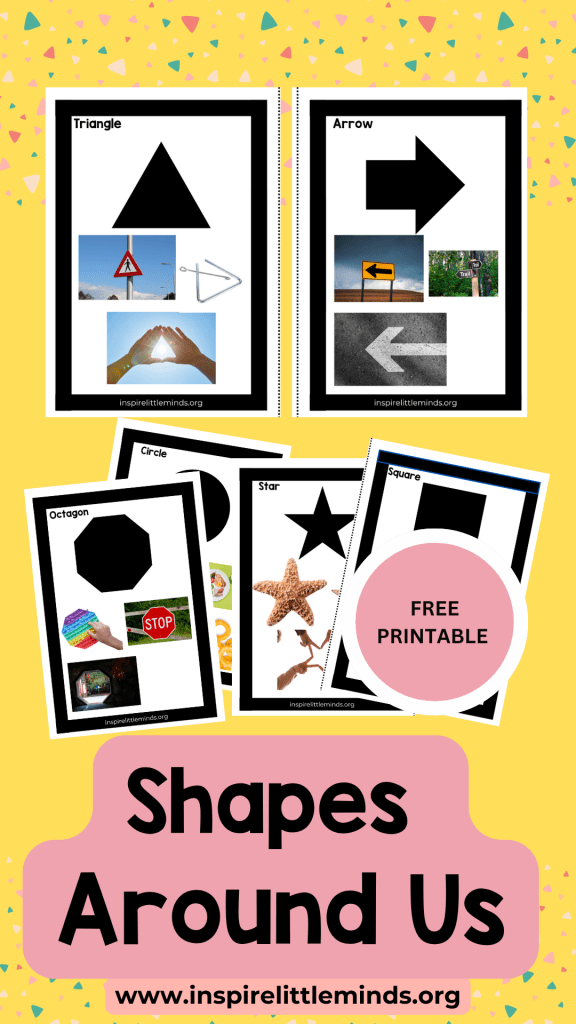
- Clear shape labels
- Photos of everyday objects (e.g., stop signs, pizzas, books)
- Perfect for circle time, centers, or take-home activities
Laminate them for durability, or let kids help cut them out and sort them into shape categories!
From the Classroom to Real Life
When children begin to recognize shapes in their world, they’re not just learning geometry—they’re learning to observe, to categorize, and to communicate what they see.
That’s powerful learning.
I hope you enjoy using these flashcards with your little learners as much as we do in our classroom.
Feel free to share your favourite “shape spotting” moments—I’d love to hear about them!
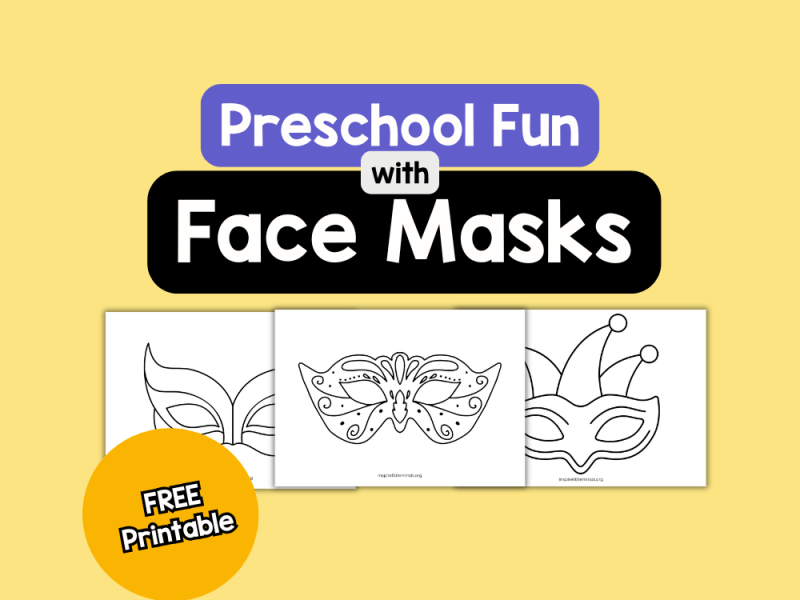
Preschool Fun with Face Masks
Character role play engages children’s imagination while teaching emotional and social skills. Free printable face masks enhance pretend play, allowing kids to explore various roles. Through role play, children develop language, confidence, and problem-solving skills. Creating themed environments encourages deeper learning about emotions and cultural awareness, enriching their creative experiences.

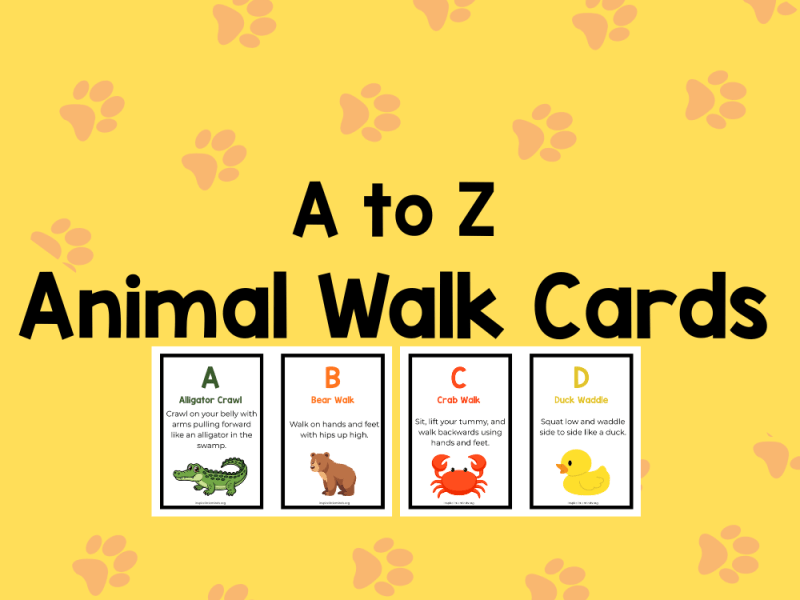
Animal Walk Cards: Fun Movement and Imagination Play for Preschoolers
The Animal Walk Cards are a fun, engaging resource that encourages children to inventively move like various animals. This activity promotes gross motor skills, imagination, self-regulation, social interaction, and language development. Ideal for classroom or home use, these cards facilitate joyful play while enhancing physical and emotional growth in preschoolers.

10 Social- Emotional Activities for Preschoolers
Social-emotional learning (SEL) fosters preschoolers’ emotional intelligence, confidence, and empathy through engaging activities. Ten suggested activities include using flashcards for emotions, mindfulness techniques, crafting gratitude projects, and reading emotionally resonant stories. These interactive methods promote vital skills like self-awareness, emotional regulation, and relationship-building, ensuring children develop lasting social-emotional skills.
- 2026 new year
- a-z letters
- abc affirmation cards
- abc bingo
- abc learning
- abc worksheets
- activity work sheets preschool
- affirmation cards
- all about me
- alphabet flash cards
- alphabet recognition
- alphabet review worksheet
- alphabet tracing
- alphabets
- animal alphabets
- animal flash cards
- animal walk cards
- animals
- areas of play preschool
- art preschool
- arts and craft
- arts and crafts
- astronaunt
- auckland anniversary
- auckland anniversary preschool
- bingo
- body parts
- bugs
- calming cards preschool
- card
- celebration
- children
- childrens day
- chinese
- chinese celebration
- chinese festival
- chinese language week
- chinese lantern
- chinese new year
- circle time
- circle time activity
- colors
- colour in pages
- colouring in page
- colouring in pages
- colouring page
- colours flashcards te reo
- colours preschool
- creativity preschool
- days of the week
- destress
- diversity
- diwali
- dragon boat festival
- dragon boat festival preschool
- early childhood
- early childhood learning dispositions
- early financial literacy
- early learners colors
- early learning
- early literacy
- earth day
- ece
- ece worksheets
- education
- eid
- eid celebration
- eid printables
- eid ul adha
- eid ul fitr
- emotional wellbeing
- emotions
- emotions flash cards
- emotions preschool
- esl
- esl flash cards
- esl teachers
- esl teaching
- face mask colour in preschool
- face masks
- fake money preschool
- family
- family flashcards
- family members
- farm animals flash cards
- fasting
- fathers day
- fathers day card
- fathers day craft
- fathers day preschool activity
- feelings and emotions
- Fiji language week
- Fiji preschool
- fine motor skills preschool
- flash cards
- flash cards learning
- flashcards
- four seasons
- four seasons flash cards
- free abc tracing cards
- free colouring
- free printable
- free printable worksheet for preschoolers
- free printables
- fruits flashcards
- fun preschool learning
- grandparents day
- gross motor movements
- hat templates
- hijri calendar
- hijri months
- holi
- home preschooling
- islam
- islam learning preschool
- islamiat preschool
- islamic months
- japan festivals
- Keirō no Hi
- kindergarten
- kindergarten theme
- kindergarten worksheets
- kings birthday
- lacing cards
- lacing cards numeracy
- lacing cards preschool
- lanterns
- learning
- learning about bugs
- learning about my body
- learning development preschool
- lesson planning
- letter formation
- maori celebration
- matariki
- matariki ece
- matariki preschool
- memory game
- mental health
- messy play
- mid autumn festival
- mindfullness colouring
- mindfulness
- mindfulness preschool
- money preschool
- mooncakes
- muslim children
- nawruz
- nawruz celebrations
- nawruz colouring in page
- nawruz preschool
- new students
- new years party hats
- news
- number formation
- number tracing
- numbers
- numbers preschool
- numeracy learning
- numeracy preschool
- numeracy teaching
- ocean animals
- old McDonald
- one to ten
- paper lantern
- paper lantern template
- parenting
- party hat
- pattern
- pencil control worksheets
- pencil grip
- pincer grip exercise
- planning teacher
- playdough mats
- pre-k
- prescchool activity
- preschool
- Preschool Activities
- preschool art
- preschool chinese
- preschool colouring in
- preschool craft
- preschool emotions
- preschool game
- preschool islam
- preschool learning
- preschool lesson plan
- preschool portfolio template
- preschool resource
- preschool space learning
- preschool teacher
- preschool wellness
- preschool worksheets
- pretend play
- pretend play money
- printable teaching resources
- problem solving activity
- rajab
- ramadan
- ramadan hats
- ramadan preschool
- ramadan template
- relaxation
- religion
- role play
- role play preschool
- safari animals
- school
- sea animals
- sea creatures
- sel
- self portraits preschool
- self regulation
- self regulation skills
- shapes
- social emotional
- social emotional learning
- social emotional skills
- space rocket
- spaceship
- symmetrical shapes
- te reo
- teach emotions
- teacher planning
- teacher resource
- teacher resources
- teachers blog
- teaching
- teaching about animals
- teaching resource
- thanksgiving
- thanksgiving activity preschool
- thanksgiving craft
- thanksgiving games
- thanksgiving printable
- toddler activities
- toddler emotions
- toddler teaching
- tracing
- tracing letters worksheet
- tracing shapes
- tracing worksheet
- transportation
- transportation flashcards
- upper case letters
- vegetables flash cards
- weather flash cards
- weekly planner for teachers
- wellness cards preschool
- world space week
- writing




Leave a comment