Thanksgiving is a special time of year when families and friends come together to share food, gratitude, and love.

For preschoolers, it’s the perfect opportunity to explore new traditions, learn about thankfulness, and practice important skills through play.
One engaging way to bring Thanksgiving into your classroom or home is through a hands-on paper plate food activity.
This activity helps children learn about holiday foods, practice fine motor skills, and explore the concept of making choices — all while having fun.
Thanksgiving Plate Activity
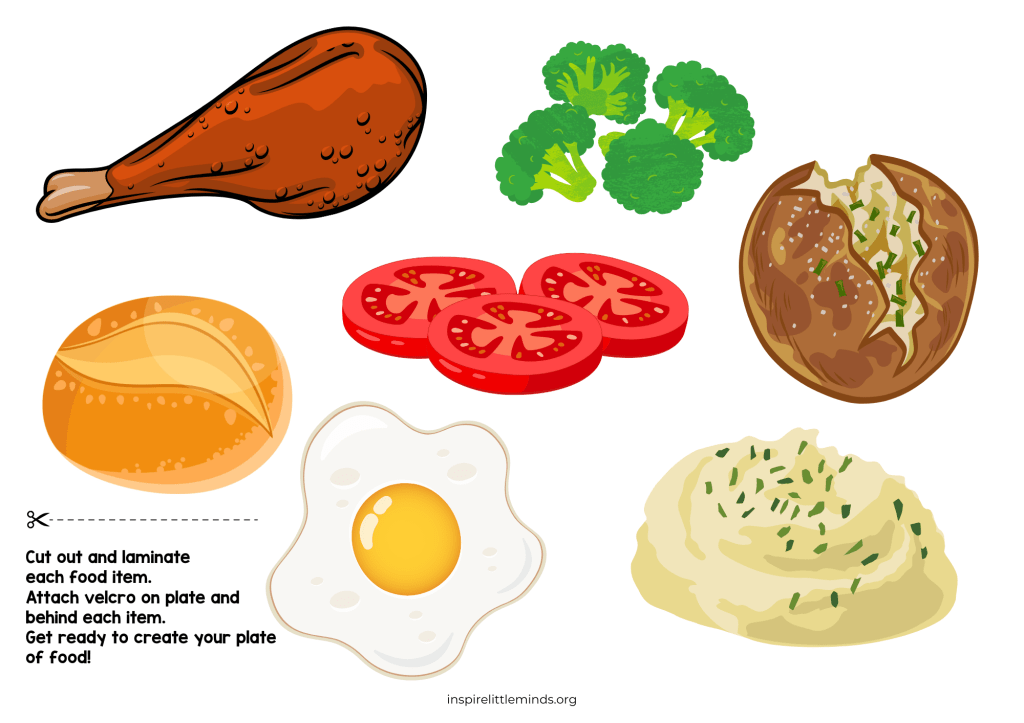
To make learning interactive, we’ve created a printable Thanksgiving Plate filled with different food items commonly enjoyed during the holiday — turkey, mashed potatoes, pumpkin pie, vegetables, and more.
How to Prepare the Activity
- Print the pages on cardstock or paper.
- Cut out the food items carefully.
- Laminate both the plate and food pieces for durability.
- Stick a velcro dot on the plate and the back of each food item.
- Invite children to build their own Thanksgiving plate again and again.

Learning Benefits
This simple activity can support multiple areas of early learning:
- Fine Motor Skills – Picking up and sticking pieces helps with finger strength and coordination.
- Language Development – Talk about the food items, their colors, textures, and tastes.
- Decision-Making – Children choose what foods to add to their plate, building independence.
- Social-Emotional Learning – Discuss gratitude: “I’m thankful for…” as they fill their plate.
- Cultural Awareness – Introduce the meaning of Thanksgiving in a way that is age-appropriate and inclusive.
Activity Extensions
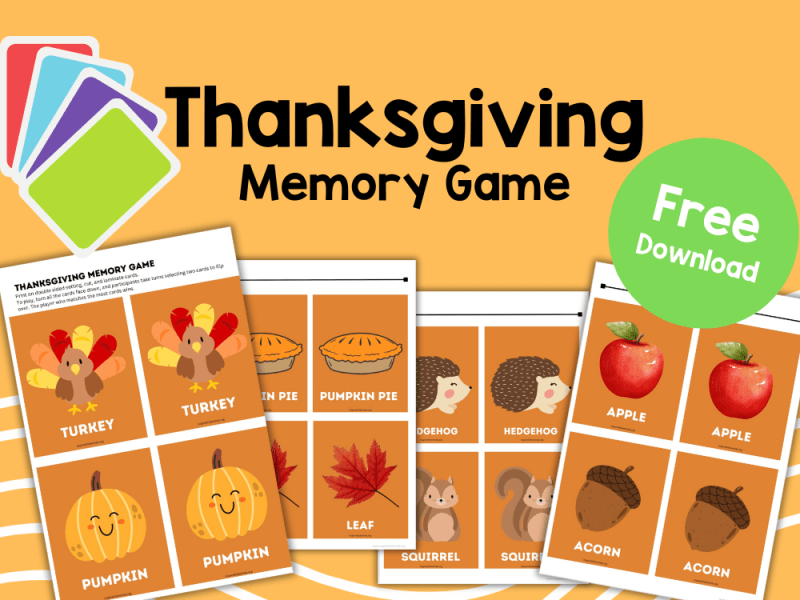
- Sorting Game: Have children sort foods by colors or food groups before adding them to the plate. To extend the Thanksgiving Festivities further- check out our Memory Thanksgiving Game Printable below!
- Counting Practice: Count how many items are on the plate.
- Role Play: Pretend to host a Thanksgiving dinner where each child shares what’s on their plate.
- Story Time Connection: Read a Thanksgiving storybook, then ask children to make a plate for the characters in the story.

Teaching Thankfulness
Thanksgiving isn’t just about the food — it’s also about gratitude. Pair this activity with a simple reflection question for preschoolers, such as:
- “What makes you happy?”
- “What are you thankful for today?”
- “Who do you like to share meals with?”
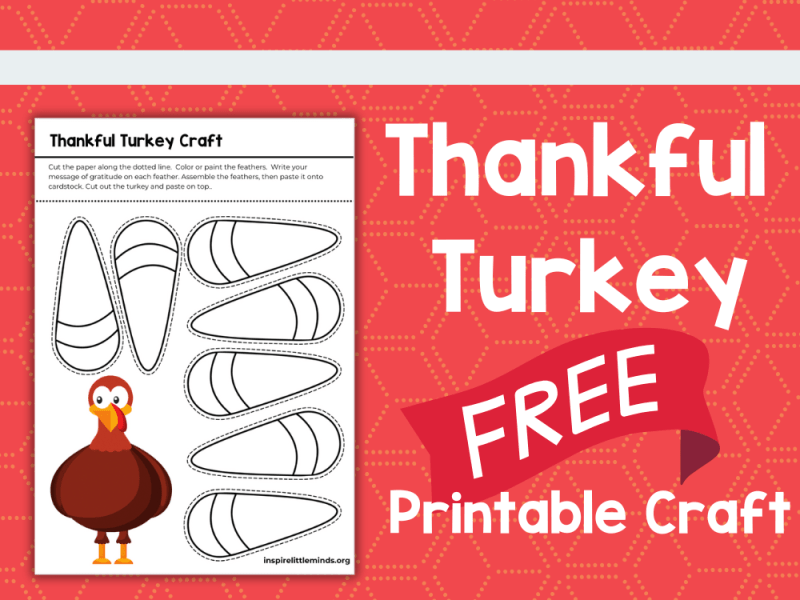
By linking the activity to thankfulness, children begin to understand the spirit of the holiday in a developmentally appropriate way. Check out our Thankful Turkey Printable here
Build a Plate for Thanksgiving
Free Printable: Create Your Own Thanksgiving Plate
Download and print the Thanksgiving Plate Printable, then cut and laminate for a reusable classroom or home activity that children will enjoy.
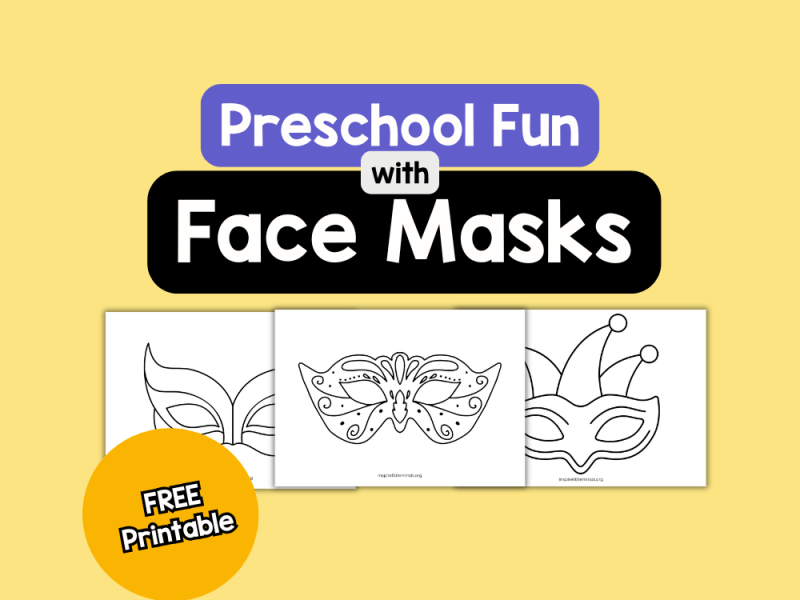
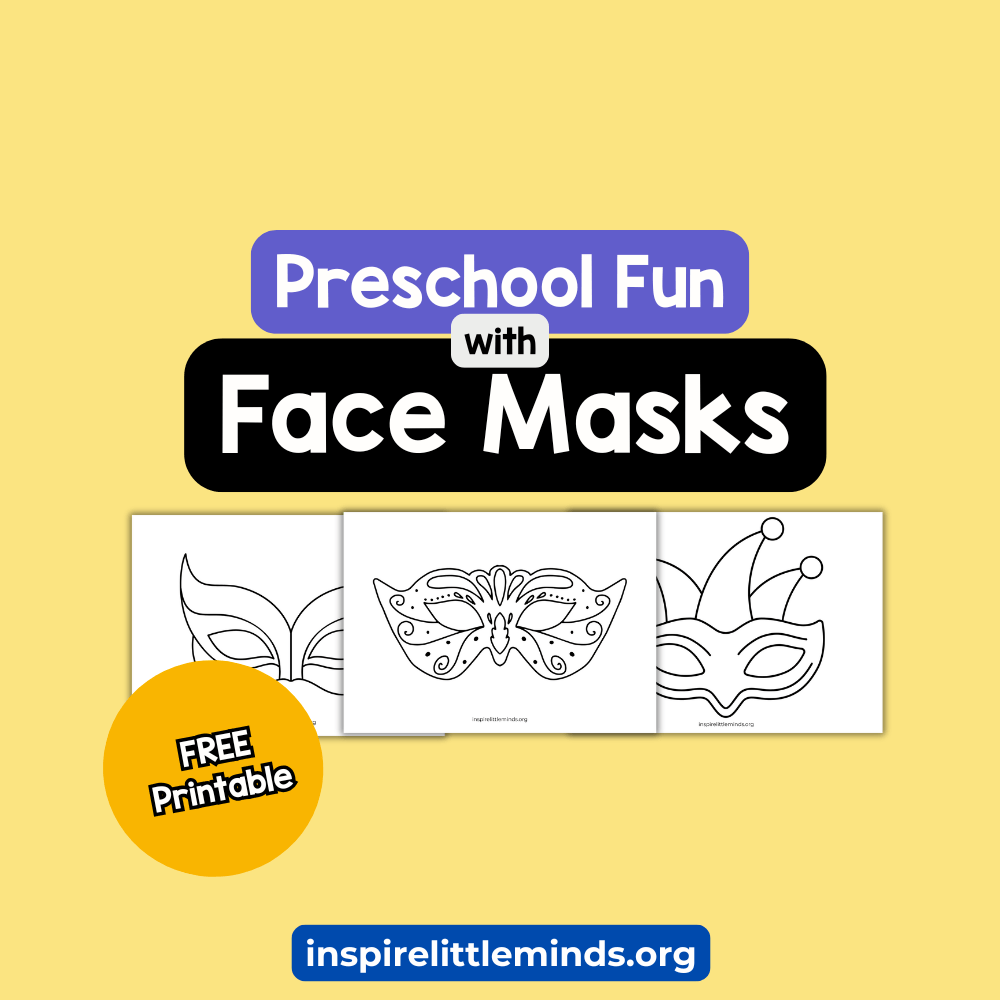
Preschool Fun with Face Masks
Character role play engages children’s imagination while teaching emotional and social skills. Free printable face masks enhance pretend play, allowing kids to explore various roles. Through role play, children develop language, confidence, and problem-solving skills. Creating themed environments encourages deeper learning about emotions and cultural awareness, enriching their creative experiences.

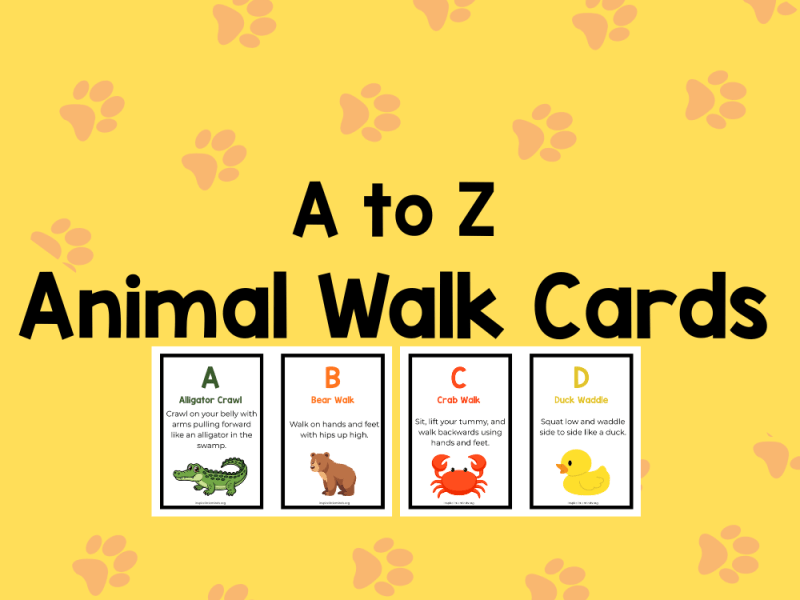
Animal Walk Cards: Fun Movement and Imagination Play for Preschoolers
The Animal Walk Cards are a fun, engaging resource that encourages children to inventively move like various animals. This activity promotes gross motor skills, imagination, self-regulation, social interaction, and language development. Ideal for classroom or home use, these cards facilitate joyful play while enhancing physical and emotional growth in preschoolers.

10 Social- Emotional Activities for Preschoolers
Social-emotional learning (SEL) fosters preschoolers’ emotional intelligence, confidence, and empathy through engaging activities. Ten suggested activities include using flashcards for emotions, mindfulness techniques, crafting gratitude projects, and reading emotionally resonant stories. These interactive methods promote vital skills like self-awareness, emotional regulation, and relationship-building, ensuring children develop lasting social-emotional skills.




Leave a comment