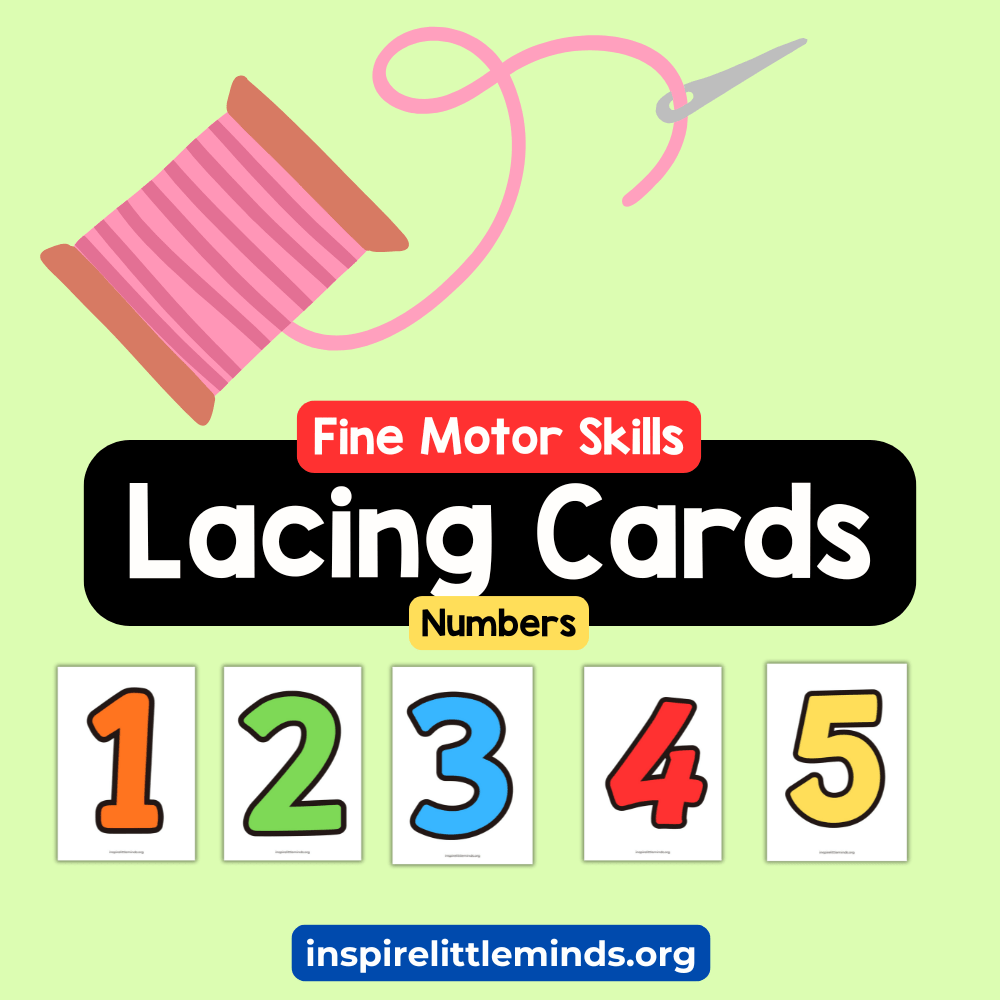
Our Free Printable Lacing Cards are perfect for little hands to practice threading, tying, and hand-eye coordination in a creative way.
Lacing is more than a craft. It is an important early learning skill. This skill supports pre-writing development.
It strengthens the small muscles needed for holding pencils, using scissors, and doing other everyday tasks.
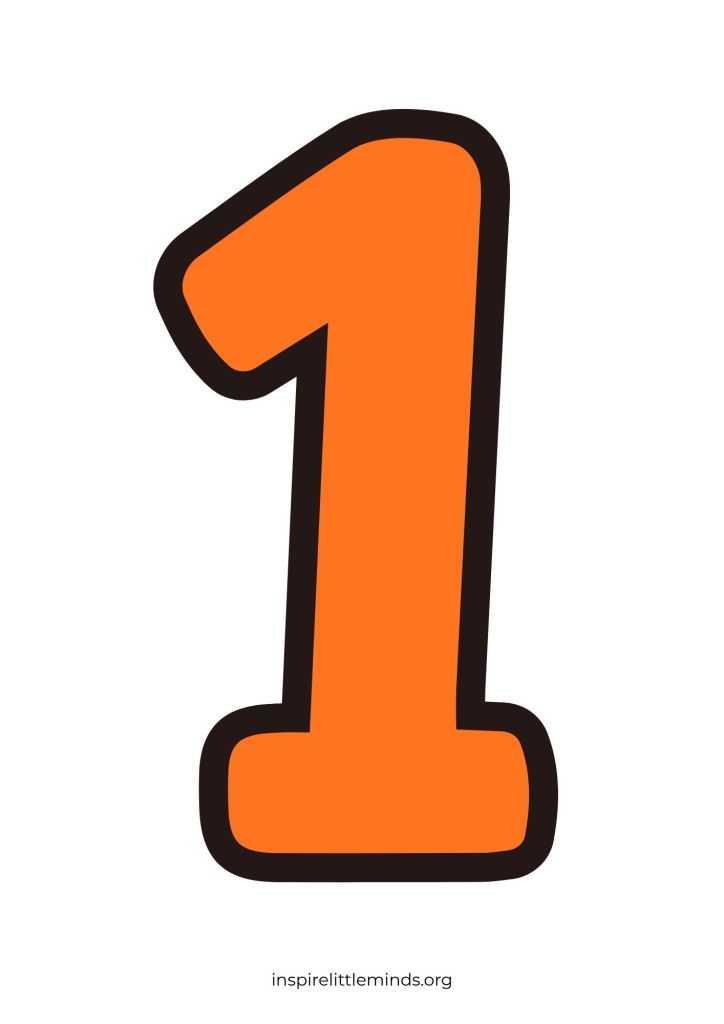
How to Assemble the Lacing Cards
Follow these simple steps to get your lacing cards ready for play:
- Print and Cut:
Download and print your free lacing card templates on thick paper or cardstock. This makes them sturdy and long-lasting. - Laminate (Optional but Recommended):
Laminate the cards for extra durability — especially if you plan to use them in a classroom or reuse them often. - Punch the Holes:
Use a single hole punch to make holes along the outlines on each card. Space the holes evenly for easy lacing. - Prepare the Yarn or Shoelace:
Cut yarn, string, or a shoelace to about 60–90 cm long (around 2–3 feet). If using yarn, wrap a small piece of tape around one end to make it easier to thread through the holes. - Attach the Yarn:
Tie one end of the yarn through a hole to keep it from slipping out while the child laces.
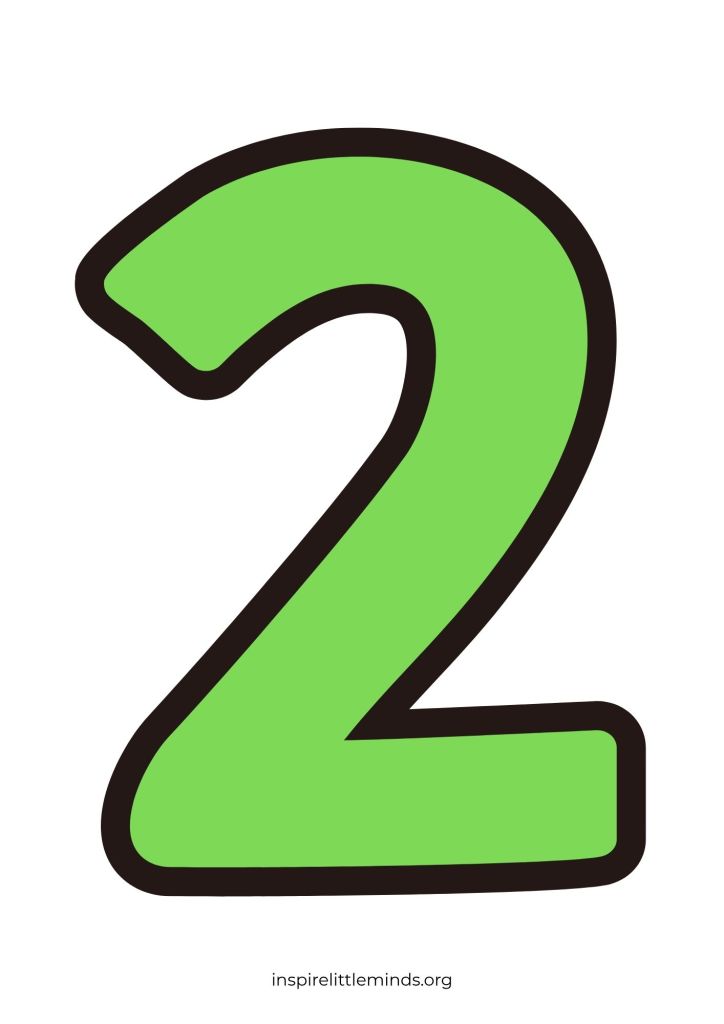
Now your lacing cards are ready to use!
How to Use the Lacing Cards with Children

- Show and Model:
Demonstrate how to lace — in and out through each hole — before letting children try on their own. - Encourage Exploration:
Let children explore different ways of lacing — around the edge, across, or even criss-crossing. - Talk as You Lace:
Use the time to build vocabulary by naming shapes, animals, or objects on the cards. For example, “You’re lacing around number two!” - Praise Effort, Not Perfection:
Focus on the fun of learning and building coordination, not on getting every hole perfect.
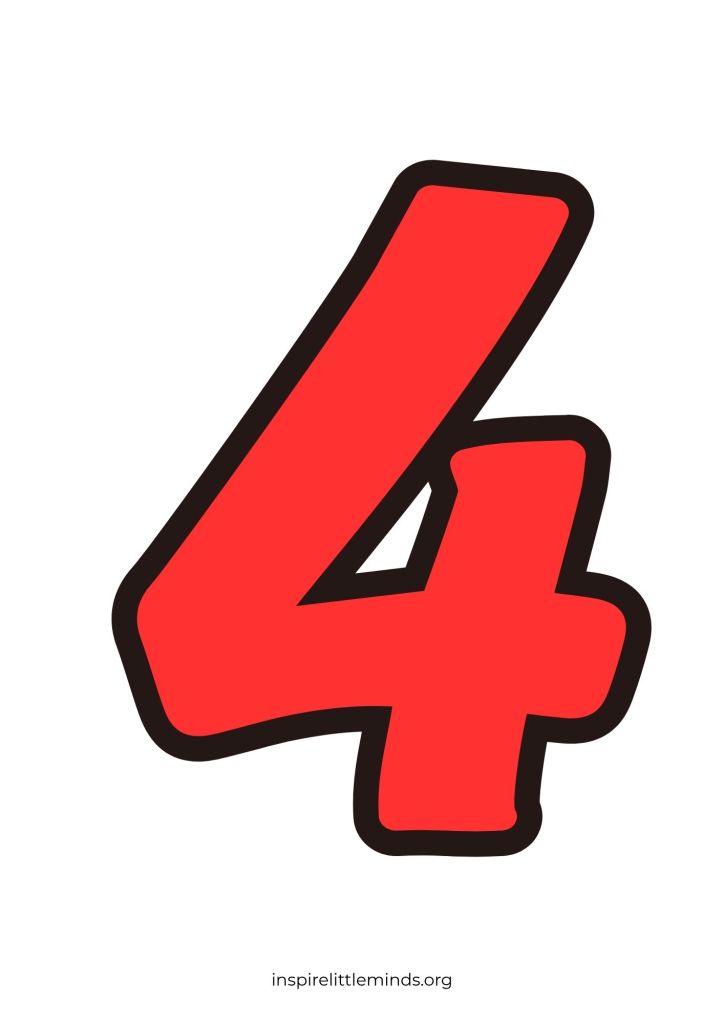
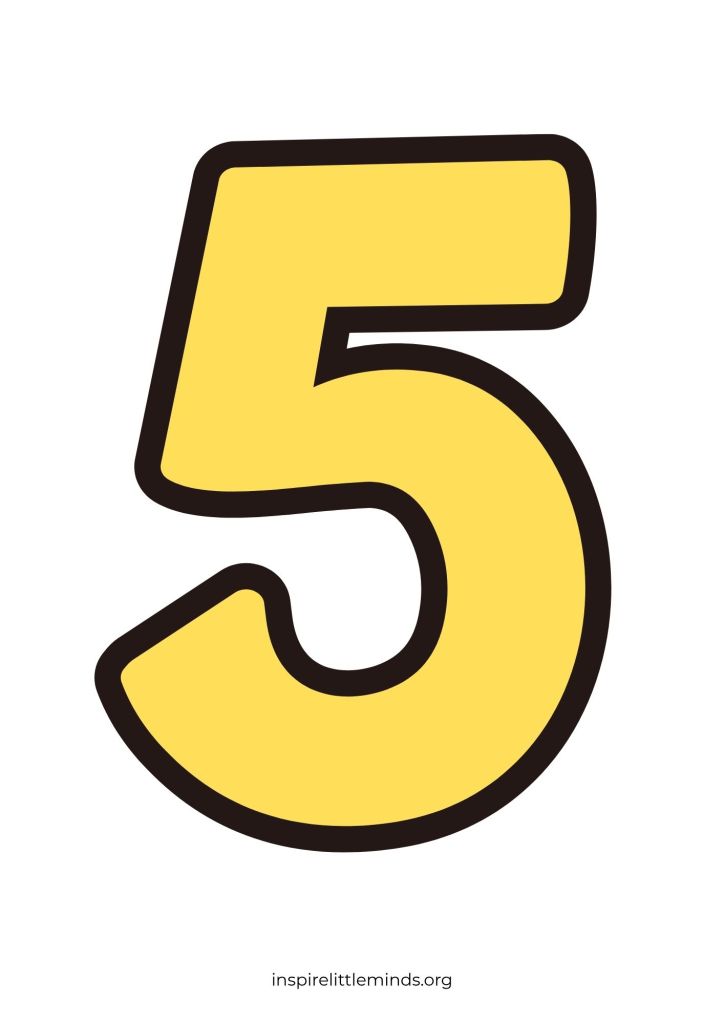
What Children are Learning?
- Strengthens fine motor and pre-writing muscles
- Improves hand-eye coordination
- Builds concentration and patience
- Encourages creativity and independence
Lacing cards are simple, quiet, and engaging — perfect for home, classroom, or travel activities!

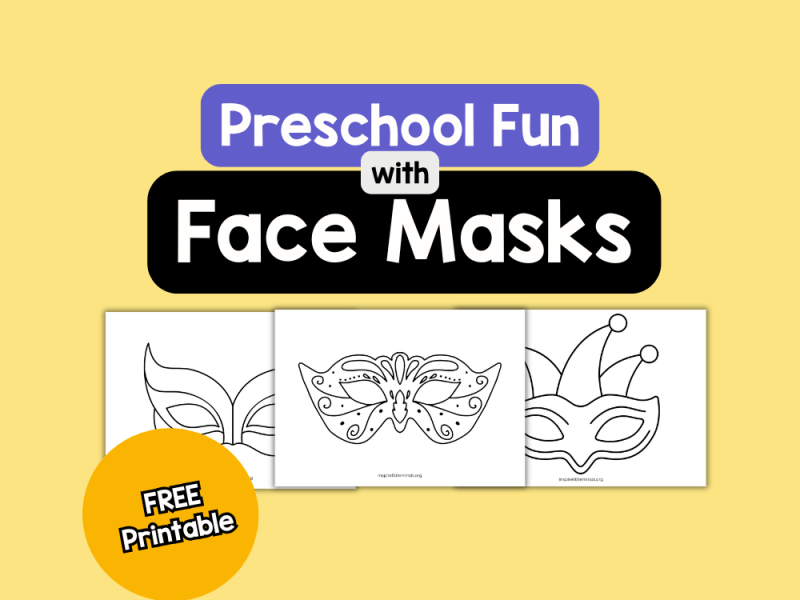
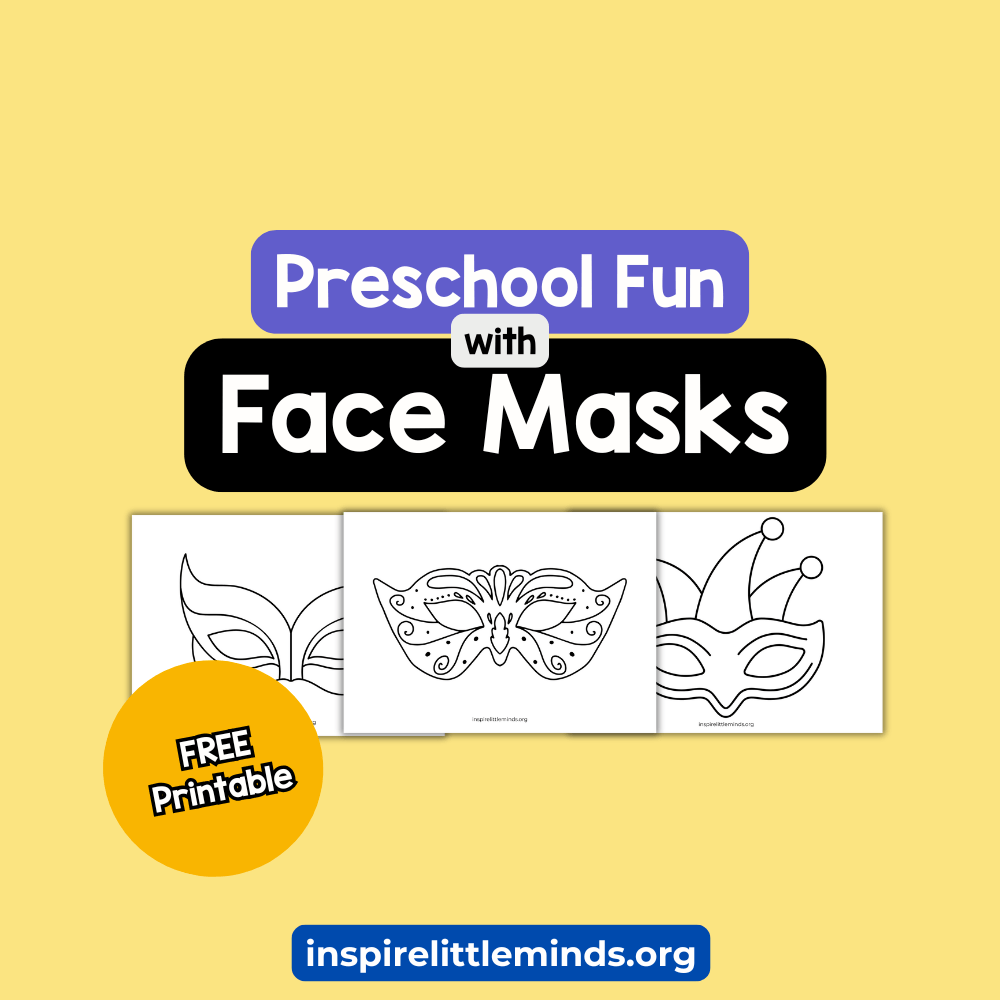
Preschool Fun with Face Masks
Character role play engages children’s imagination while teaching emotional and social skills. Free printable face masks enhance pretend play, allowing kids to explore various roles. Through role play, children develop language, confidence, and problem-solving skills. Creating themed environments encourages deeper learning about emotions and cultural awareness, enriching their creative experiences.
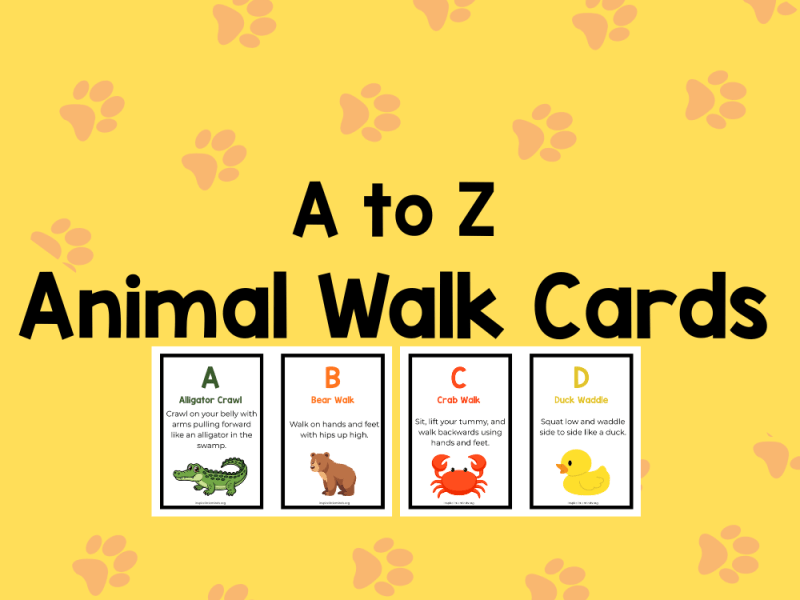
Animal Walk Cards: Fun Movement and Imagination Play for Preschoolers
The Animal Walk Cards are a fun, engaging resource that encourages children to inventively move like various animals. This activity promotes gross motor skills, imagination, self-regulation, social interaction, and language development. Ideal for classroom or home use, these cards facilitate joyful play while enhancing physical and emotional growth in preschoolers.

10 Social- Emotional Activities for Preschoolers
Social-emotional learning (SEL) fosters preschoolers’ emotional intelligence, confidence, and empathy through engaging activities. Ten suggested activities include using flashcards for emotions, mindfulness techniques, crafting gratitude projects, and reading emotionally resonant stories. These interactive methods promote vital skills like self-awareness, emotional regulation, and relationship-building, ensuring children develop lasting social-emotional skills.
Download your Free Printable Lacing Cards below:
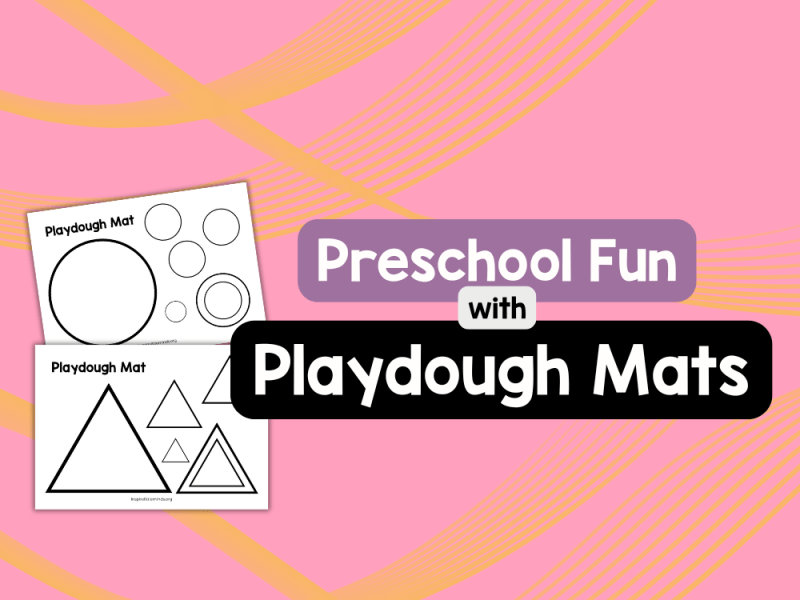
Learning Shapes Through Play: Fun with Playdough Mats
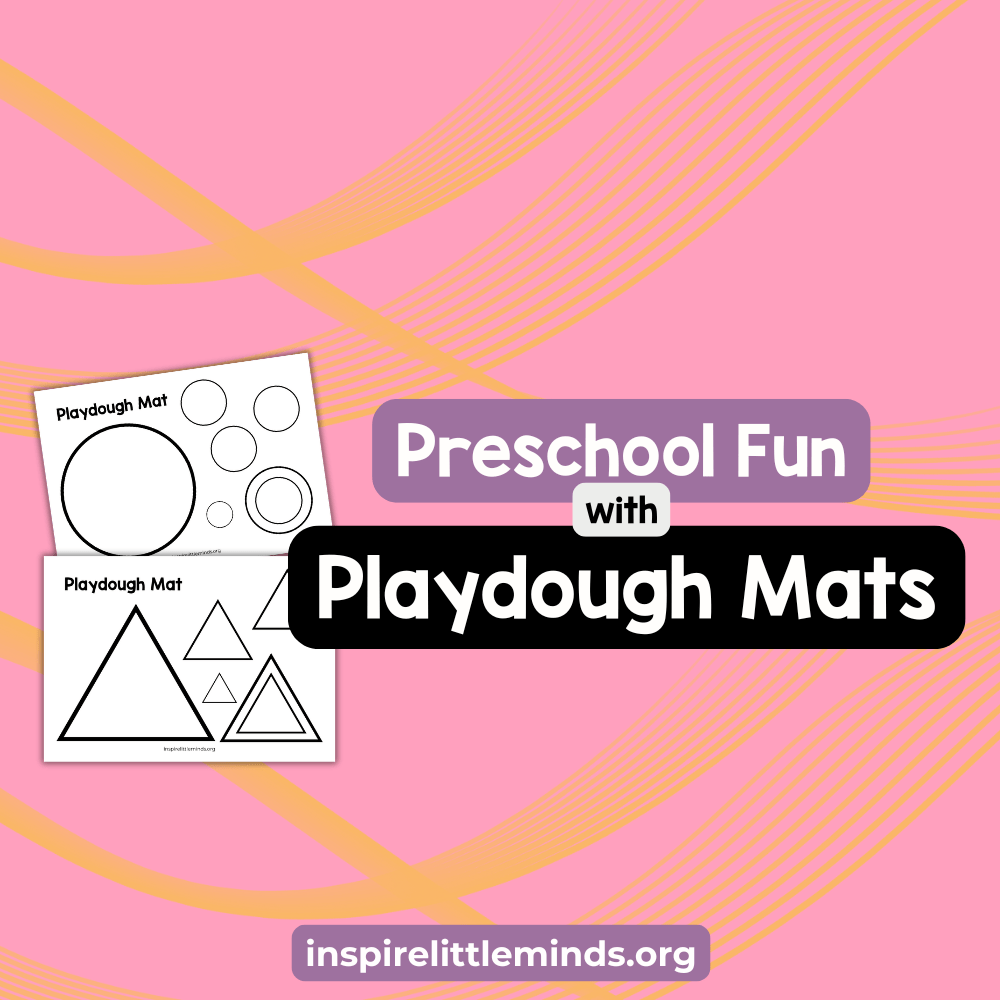
Playdough time promotes creativity and calmness in preschool environments. Adding shape playdough mats enhances this activity by helping children learn and identify shapes while strengthening fine motor skills. These mats provide hands-on learning experiences that encourage language development and creative problem-solving, making early geometry engaging for young learners at home or school.
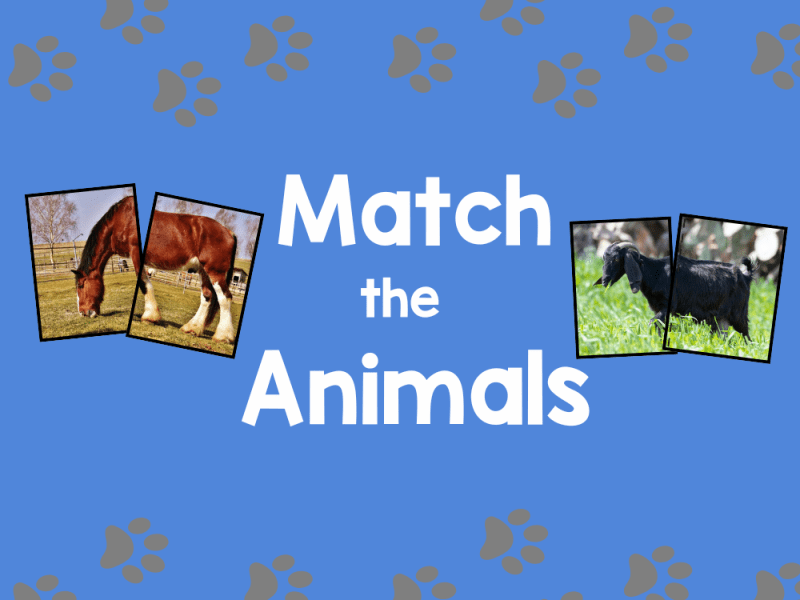
Animal Match-Up: A Printable Game for Early Learners
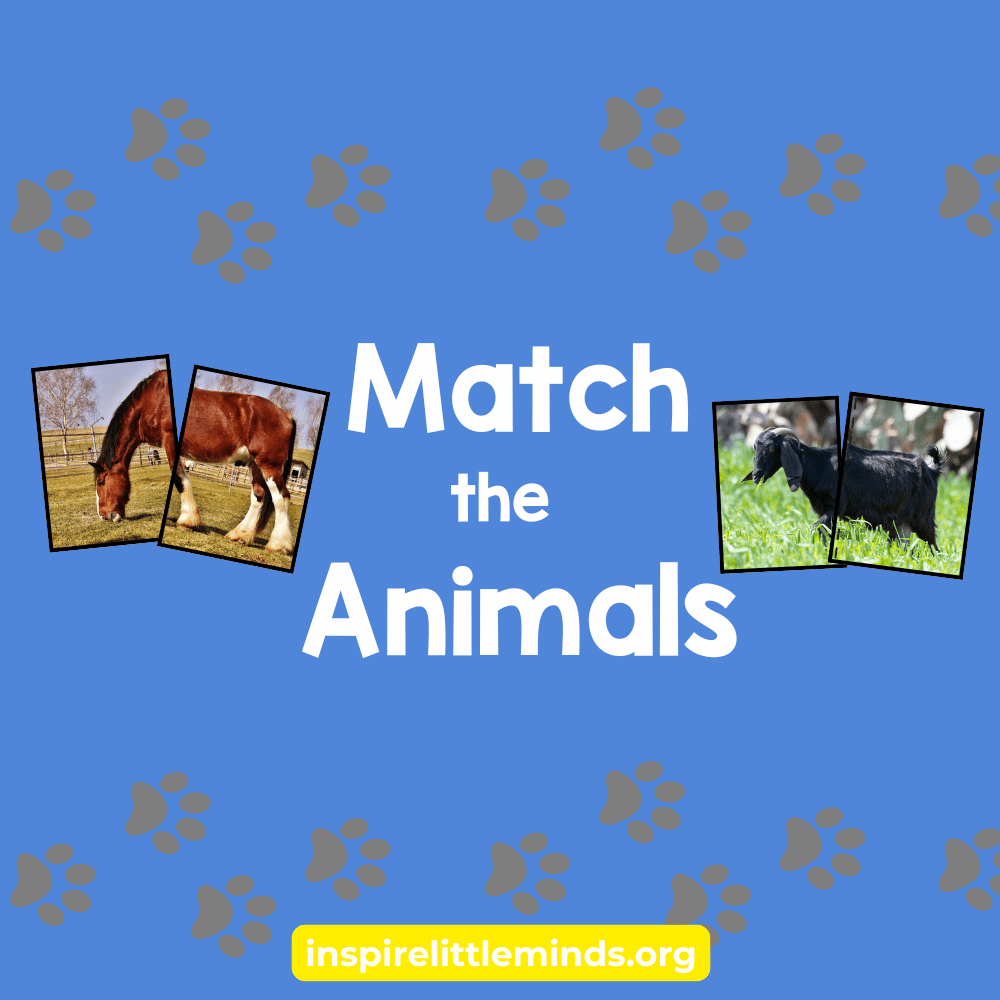
The Matching Animal Halves Game enhances preschoolers’ observation, concentration, and problem-solving skills. Children match halves of animal cards, supporting visual recognition, fine motor skills, cognitive development, and language learning. It can be played as a memory game or used for discussions and storytelling, making it an engaging educational activity.
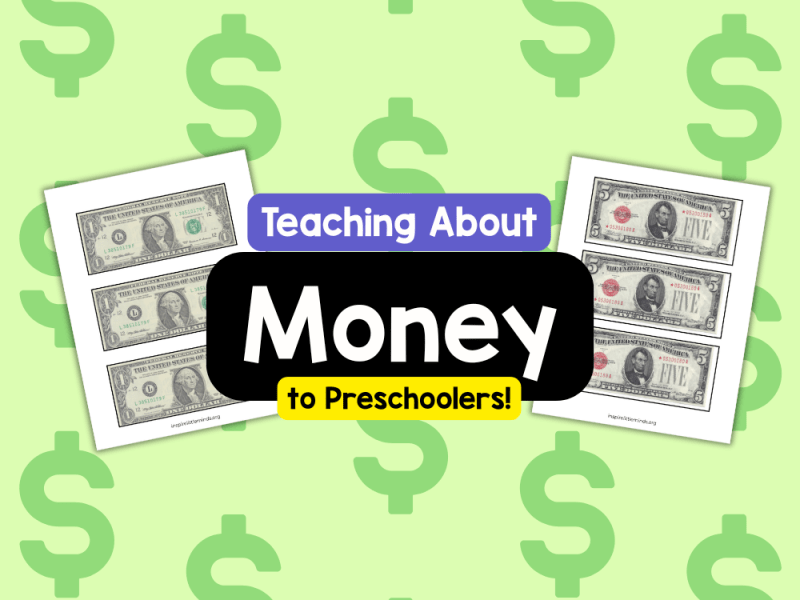
Teaching Preschoolers About Money Through Play
Introducing preschoolers to money helps them grasp numbers, value, and essential life skills. Learning about coins and notes fosters counting, basic exchanges, and concepts of sharing, saving, and spending. Utilizing Free Play Money Printables enhances this learning through engaging activities like pretend shops and sorting, linking financial concepts to real-life experiences.




Leave a comment