From my previous and current experience as a preschool teacher, one thing has become very clear: many young children need extra support to understand, express, and regulate their emotions.
Big feelings often show up in little bodies, and without the right tools, children can feel overwhelmed, frustrated, or misunderstood.
Over the years, I’ve worked with children who struggled to name how they were feeling, let alone explain why.
This is where intentional resources—like emotional regulation flash cards—have helped heaps. When used consistently, these simple tools can make a powerful difference in a child’s emotional development.

Why Emotional Regulation Matters So Much
Emotional regulation is the ability to recognise, understand, and manage emotions in a healthy way. In the early years, children are only just beginning to develop these skills.
They are learning how to cope with disappointment, excitement, anger, anxiety, and everything in between.
When children are supported to build emotional regulation skills early on, they are better equipped to:
- Communicate their feelings instead of acting them out
- Develop empathy and understanding for others
- Build positive relationships with peers and adults
- Cope with challenges, change, and frustration
- Feel confident and emotionally safe
These skills don’t just help in the preschool years—they form the foundation for becoming emotionally well-regulated adults. Children who learn to understand and manage their emotions early are more likely to grow into adults who can handle stress, resolve conflict, and maintain healthy relationships.
Making Emotions Visible and Understandable
One of the biggest challenges for young children is that emotions can feel abstract. They feel them, but they don’t always have the language or understanding to explain what’s happening inside.
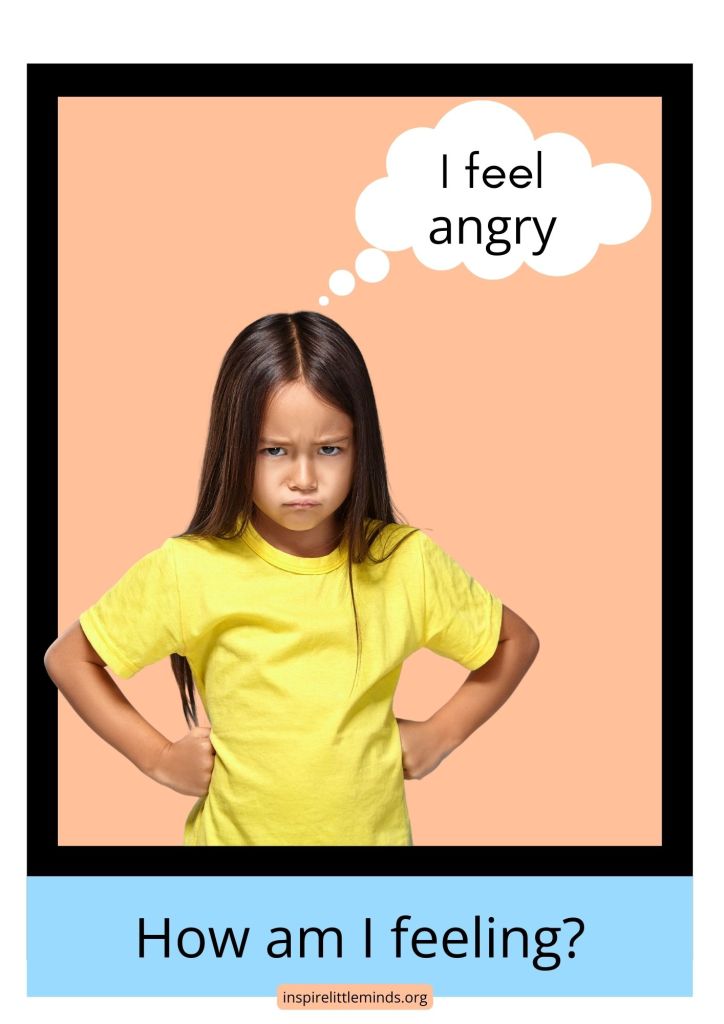
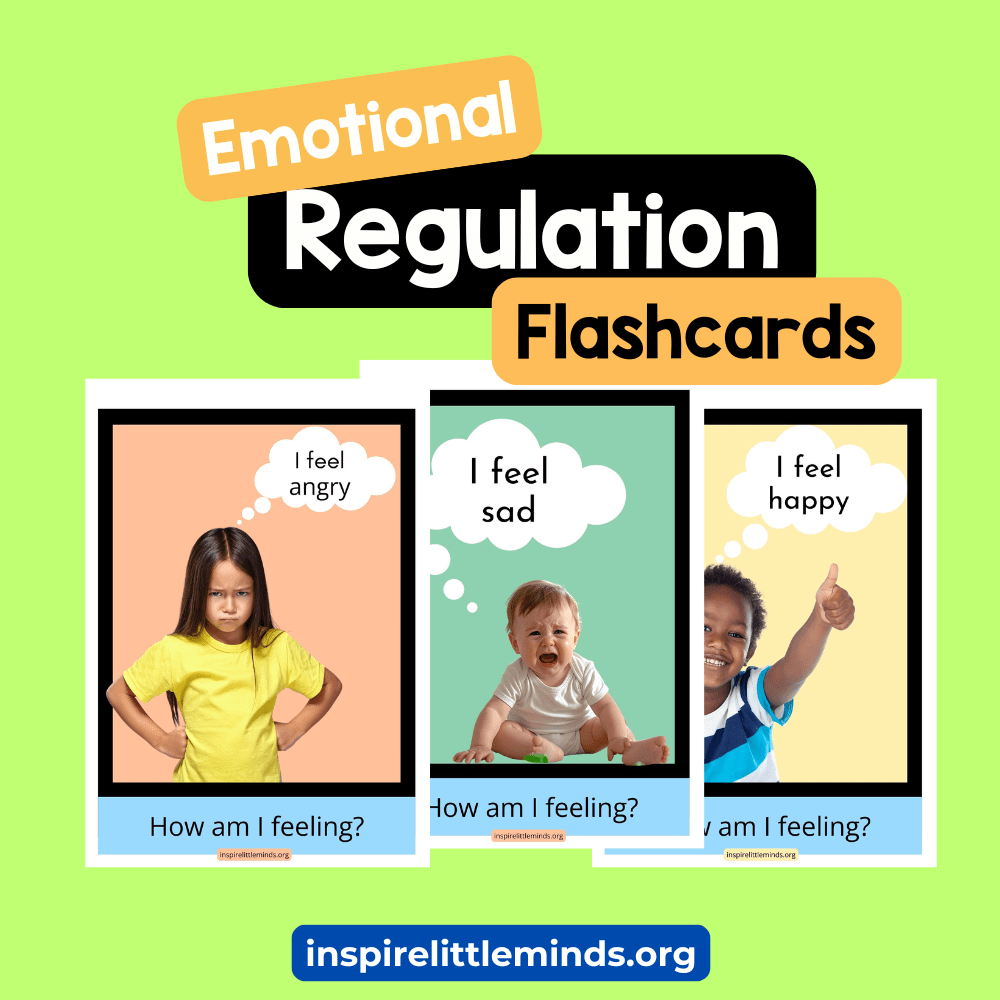
This is why visual tools, like emotional regulation flash cards, are so effective. The flash cards I’ve used feature a clear picture of a person expressing an emotion. Alongside the image is a speech bubble that names how the person feels. The picture shows the emotion, while the bubble provides the answer.
This combination is incredibly powerful. Children can:
- Match facial expressions to emotions
- Learn the language associated with feelings
- Feel reassured that what they’re experiencing is normal
- Begin to label their own emotions with confidence
For children who are visual learners—or those who struggle with verbal communication—these cards provide a clear, accessible way to understand emotions.

Supporting Conversations, Not Just Behaviour
In my experience, emotional regulation tools work best when they are used proactively, not just during moments of heightened emotion. Flash cards like these open the door to meaningful conversations:
- “How do you think this person feels?”
- “Have you ever felt like this?”
- “What could help when we feel this way?”
These discussions help children reflect on their emotions in a calm, safe environment. Over time, they begin to recognise similar feelings in themselves and others, which supports emotional awareness and empathy.

A Skill for Life
Emotional regulation isn’t something children either have or don’t have—it’s a skill that develops with time, guidance, and practice.
By introducing emotional language and regulation strategies in the early years, we give children lifelong tools they can carry with them into school, relationships, and adulthood.
Resources like these flash cards are a simple yet effective way to support that journey. They empower children to understand their emotions, express themselves appropriately, and feel confident navigating their inner world.
A free sample of the flash cards is attached below, and if you’d like to explore the full set, the purchase link is also included below.
This is a free sample from the full Emotional Regulation Flash Card set
This is a free sample from the full Emotional Regulation Flash Card set →
Link to the Full Set Emotional Regulation Flash Cards set
Because when we invest in children’s emotional development early, we’re not just supporting behaviour—we’re shaping emotionally healthy, well-regulated adults for the future.




Leave a comment