Learning numbers is one of the first steps in early math development.
For preschoolers, number recognition and formation build the foundation for counting, problem-solving, and future math skills. One fun and effective way to practice is through number tracing worksheets.
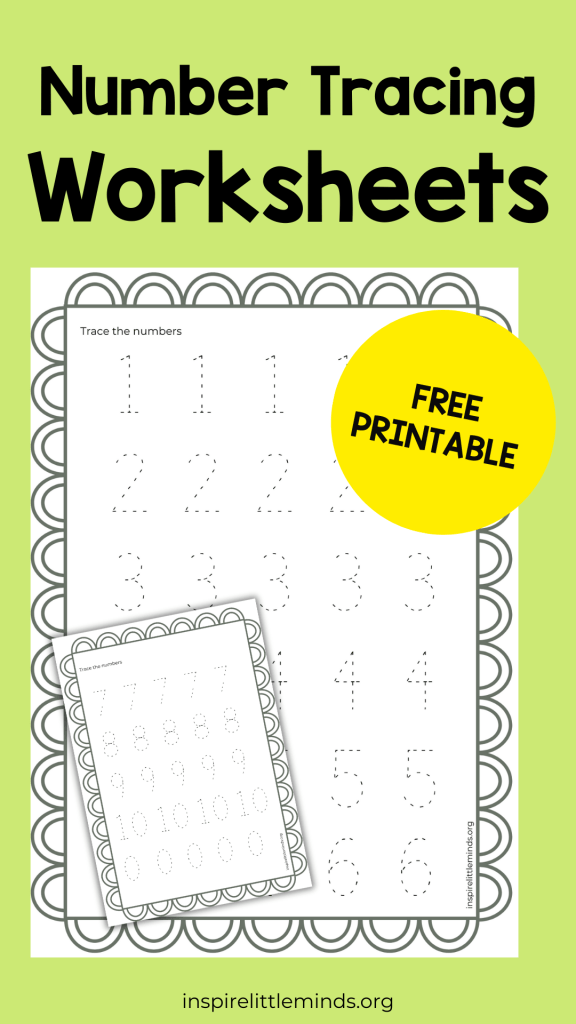
Tracing helps children learn how to form numbers correctly while strengthening their fine motor skills. It also gives them the confidence to write numbers independently over time.

Why Use Number Tracing Worksheets?
Number tracing provides many benefits for preschoolers:
- Fine Motor Development – Strengthens hand muscles and improves pencil control.
- Number Recognition – Reinforces visual memory of each digit from 0 to 10.
- Pre-Writing Practice – Builds the skills needed for independent writing.
- Counting Skills – Helps connect the written symbol with the spoken number.
- Confidence – Children feel proud as they successfully trace and write on their own.
Tips for Teaching Number Tracing
- Start with Big Movements: Practice drawing numbers in the air with fingers or using sand, playdough, or paint before moving to paper.
- Introduce One Number at a Time: Begin with 0, 1, and 2, then gradually add more as your child becomes confident.
- Use Multi-Sensory Learning: Let children trace numbers with markers, crayons, or even finger paint.
- Repetition is Key: Consistent short practice sessions are more effective than long ones.
Free Printable: Numbers 0–10 Tracing Worksheet
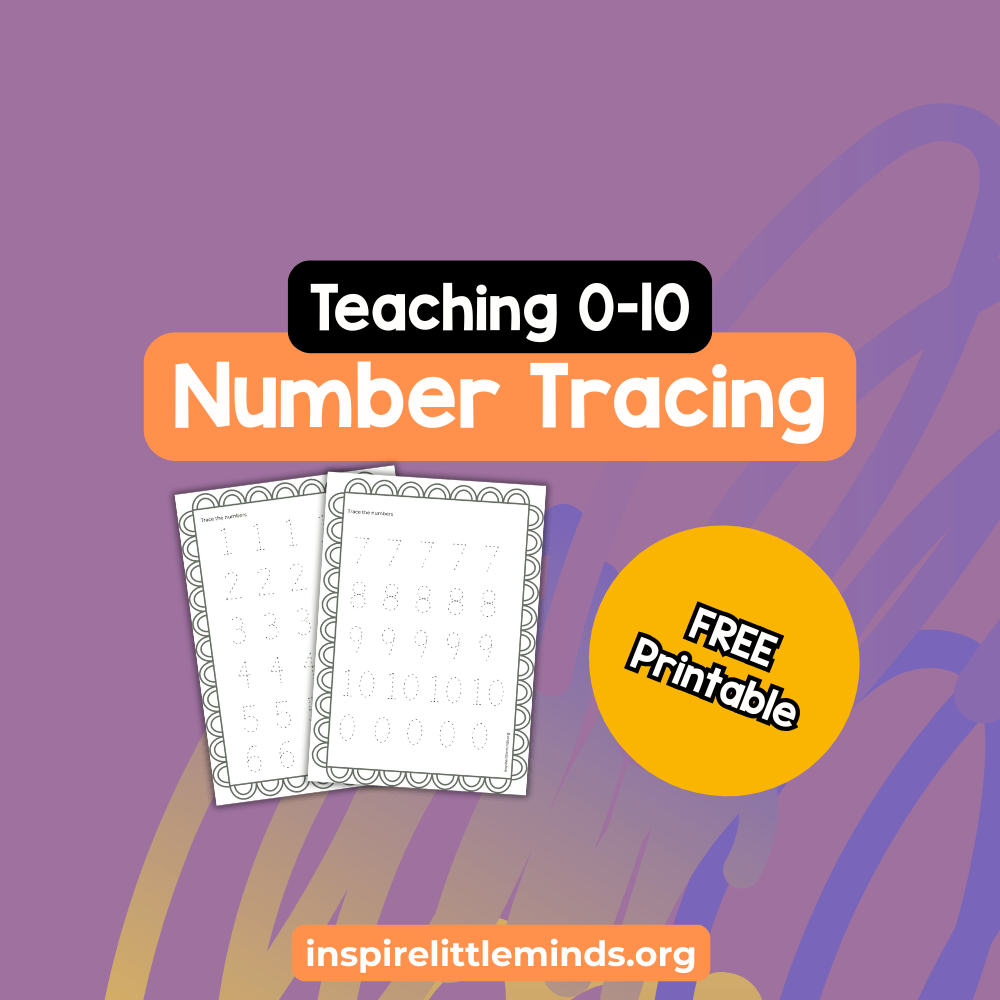
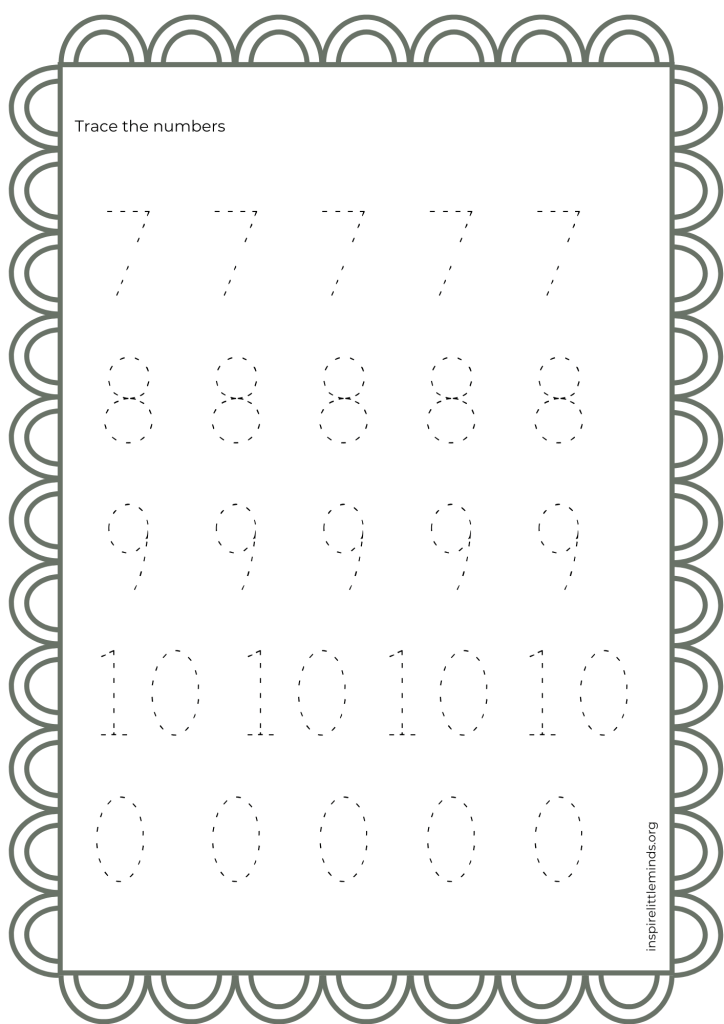
To support your preschooler’s number learning journey, we’ve created a free printable tracing sheet with numbers 0 through 10. Children can trace along dotted lines to learn proper number formation.
You can laminate the sheet or place it in a clear sleeve so it can be reused with dry-erase markers.
[Download the Free Number Tracing Printable Below]
Extension Activities
- Counting Objects: After tracing a number, have your child count out that many toys, blocks, or beads.
- Daily Practice: Add number tracing to your morning routine to build consistency.
By practicing with tracing worksheets, preschoolers gain confidence in recognizing, forming, and using numbers. With time, they’ll be ready to move from tracing to writing numbers on their own — an exciting step in their early math journey.
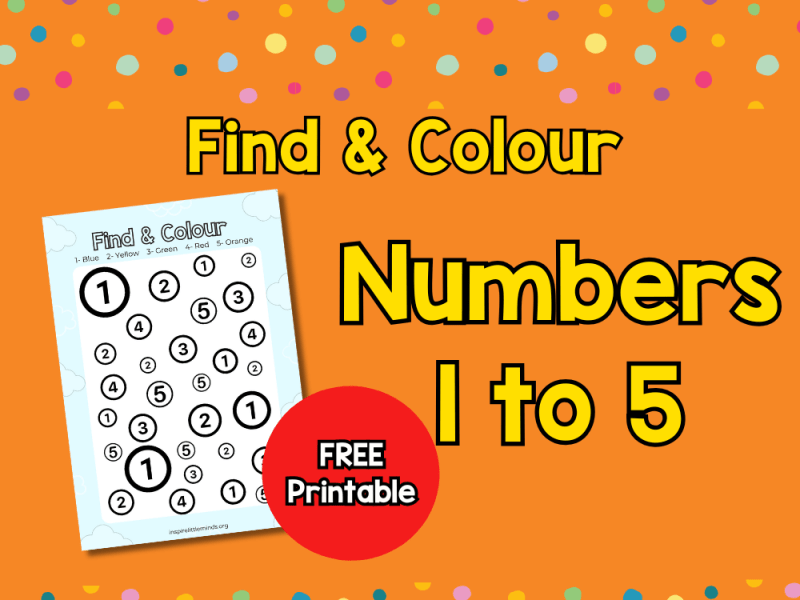
Engaging Learning Numbers Activities for Preschool
The content discusses how a preschool teacher introduces Nowruz, the Persian New Year, to young children. It highlights the significance of spring, renewal, and family traditions such as the Haft-Seen table and Chaharshanbe Suri. The celebration emphasizes diversity, connection, and positive values, enriching children’s understanding of different cultures.

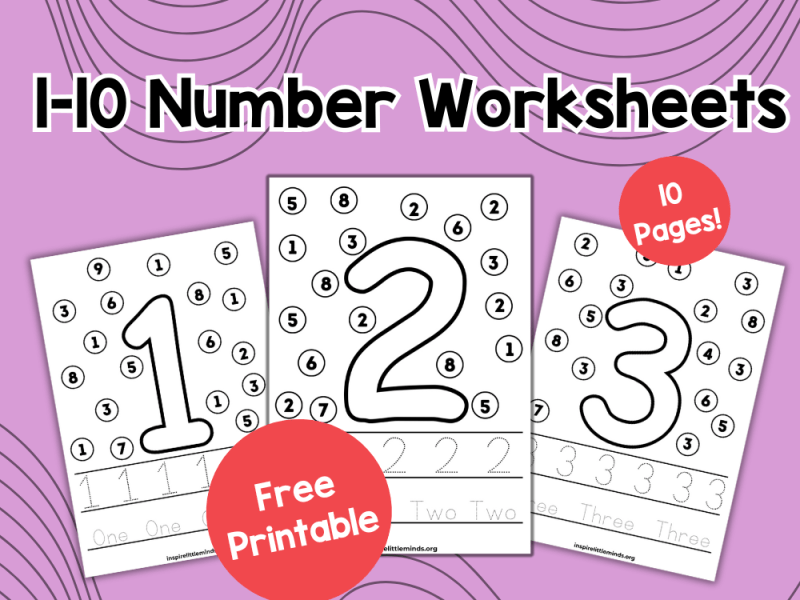
Engaging Worksheets to Teach Number Recognition
This FREE printable includes 10 pages designed to help preschoolers learn number formation through fun activities like find and color tasks. It aids in numeracy and literacy skills, allowing children to recognize numbers and their meanings. Ideal for homeschooling and classroom use, it requires no preparation and is easy to implement.
Creative Ways to Use Block Alphabet Letters
This post offers engaging activities using bubble alphabet letter printouts for preschool learning. Suggestions include coloring pages, name recognition crafts, weekly letter posters, and play dough tracing to enhance literacy skills. A free download of bubble letters from A to Z is available to kickstart these creative projects for preschoolers.
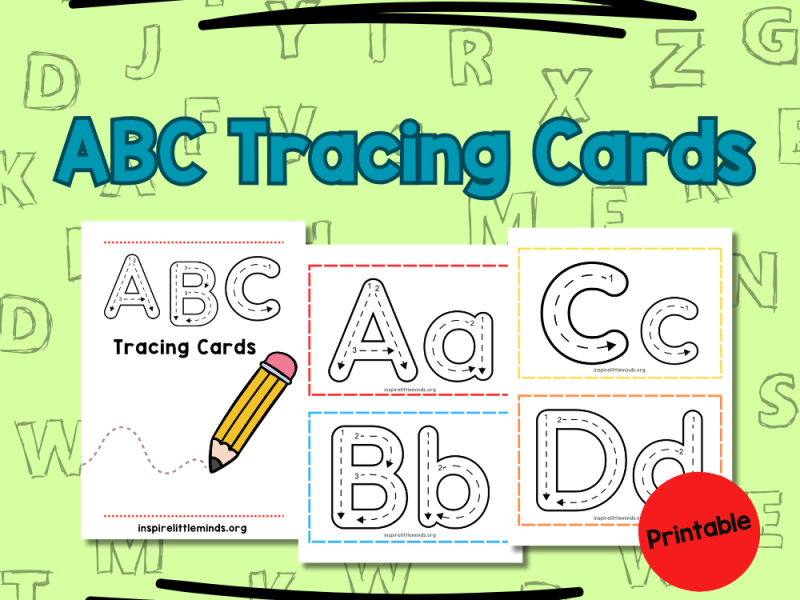
Fun ABC Tracing Cards for Early Literacy Skills
ABC tracing cards provide a fun method to enhance preschool literacy by improving letter recognition and fine motor skills. The cards are designed for repeated tracing, fostering concentration and cognitive development while building confidence. Laminating the cards allows for reuse, making them a durable learning resource for young children.





Leave a comment