Preschool children experience big emotions in very little bodies. One minute they are laughing uncontrollably, and the next they are on the floor in tears because someone took the red crayon. Teaching emotions in the early years is not just helpful — it is essential.

Affiliate Disclaimer: Some of the links in this post are affiliate links. This means that if you click on the link and make a purchase, I may earn a small commission at no extra cost to you.
In my own experience working with under-fives, I have seen just how quickly feelings can shift. Joy, frustration, excitement, jealousy, pride, worry — sometimes all within the same morning. It can feel overwhelming as a teacher or parent. But when we intentionally teach children to understand their emotions, everything begins to change.
Click on any image to instantly download the PDF version of the printable.
What Emotions Look Like in Children Under Five
Children under five are still developing the part of the brain responsible for regulation and reasoning. Because of this, emotions often show up physically rather than verbally.

Here’s what that can look like:
- Crying or screaming instead of saying “I’m frustrated.”
- Hitting or pushing when feeling angry.
- Hiding behind a caregiver when feeling shy or anxious.
- Jumping, spinning, or laughing loudly when excited.
- Clinging tightly when feeling unsure.
- Sudden meltdowns when tired or overstimulated.

Why Teaching Emotions Early Is So Important
Addressing emotions in preschool years builds the foundation for lifelong social and emotional development.
1. Builds Emotional Vocabulary
When children can name their feelings, they are less likely to act them out. Saying “I feel angry” is a huge step up from hitting.
2. Supports Self-Regulation
Children begin to understand that emotions are normal and manageable. They learn that feelings come and go.
3. Strengthens Relationships
Emotionally aware children communicate better with peers and adults. This reduces conflict and builds empathy.
4. Improves Classroom Behaviour
Many behaviour challenges stem from unmanaged emotions. Teaching children to recognise and label feelings reduces disruptions.
5. Encourages Empathy
When children learn what sadness or frustration looks like, they begin to recognise it in others.
The earlier we begin, the easier it becomes. Preschool is the perfect time to introduce emotional literacy.
Benefits of Using Emotions Flash Cards
Visual tools are incredibly effective for young learners. That is why emotions flash cards work so well.
Here’s how they help:
Visual Recognition
Children connect facial expressions with emotion words. This strengthens understanding.
Language Development
Flash cards encourage children to use new vocabulary: happy, sad, angry, scared, surprised, proud, worried.

Safe Discussion Tool
Sometimes children find it easier to talk about a card than about themselves. “The boy looks angry” feels safer than “I feel angry.”
Repetition Without Pressure
Cards can be revisited daily. The repetition builds confidence without feeling like a lesson.
Inclusive Learning
Visual supports help children who are shy, speech delayed, or learning English as an additional language.

Simple Ways to Use Emotions Flash Cards
Here are practical classroom and home ideas:
1. Morning Check-In
Place the cards on the carpet and ask each child to choose how they feel that morning. This builds awareness and opens communication.
2. Emotion Matching Game
Have children match emotion words to the correct facial expression.
3. Role Play
Pick a card and act it out. Ask:
- What happened?
- What could help?
- What should we do?
4. Story Time Integration
Pause during a story and ask, “How is this character feeling?” Let children choose a matching card.
5. Calm Corner Tool
Keep the cards in a calm-down space. When a child is overwhelmed, they can point instead of speak.
6. Emotion Sorting
Sort feelings into categories: comfortable vs uncomfortable emotions. This helps children understand that all feelings are valid, but not all behaviours are okay.

When Big Feelings Feel Overwhelming as a Teacher
Let’s be honest — managing a classroom full of preschool emotions can be exhausting.
You might have:
- One child crying
- Another refusing to share
- Someone else having a meltdown
- And a child bursting with excitement all at once
It can feel chaotic.
I have had days where I felt emotionally drained by 10am. The noise, the tears, the constant problem-solving — it takes energy. Supporting children emotionally means regulating yourself first.
Here are a few techniques that truly help:
1. Pause Before Responding
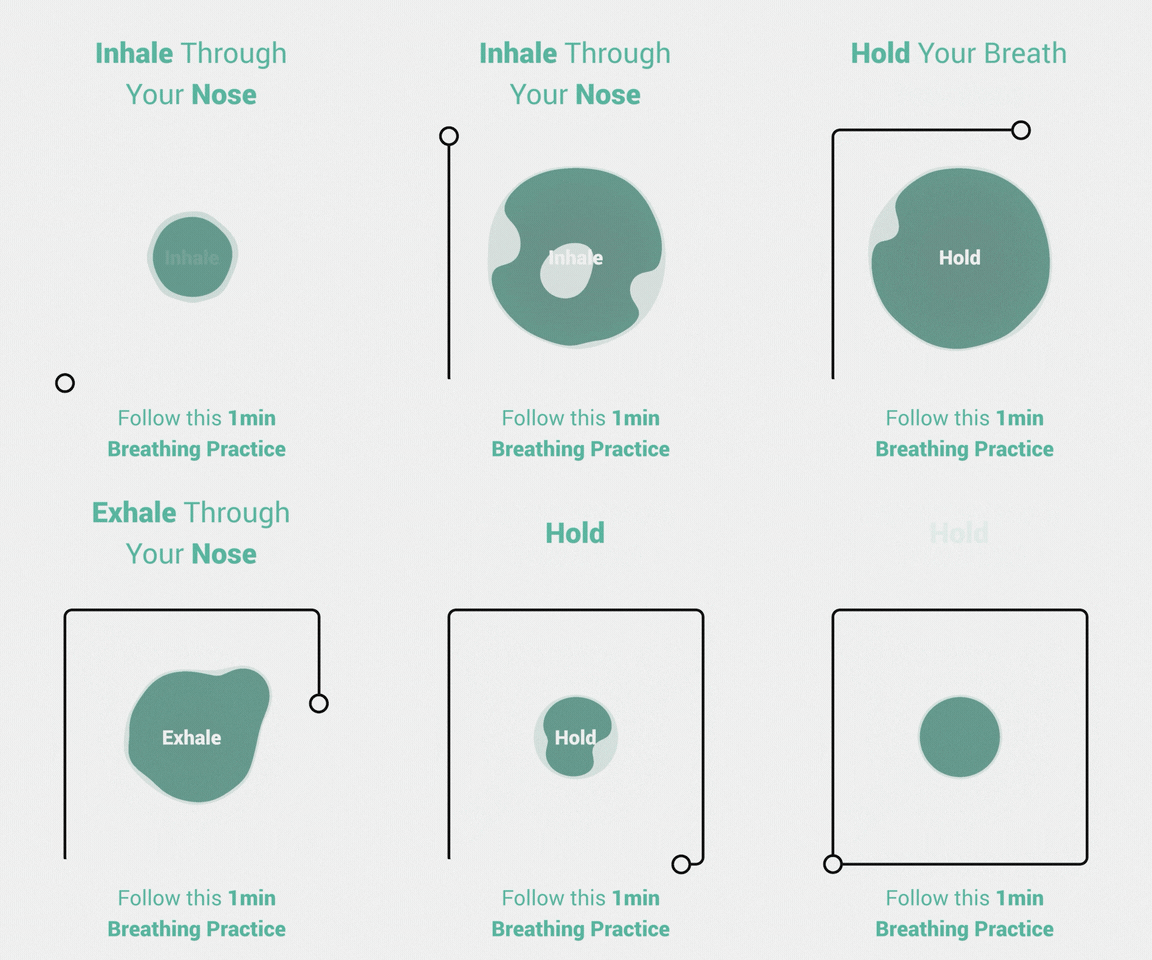
Take one deep breath before reacting. A calm adult nervous system helps calm a child’s nervous system. Check out our breathing poster here
2. Validate Before Correcting
Instead of “Stop crying,” try:
“I can see you’re feeling upset. I’m here.”
Validation does not mean agreement — it means acknowledgement.
3. Create Predictable Routines
Predictability reduces anxiety. When children know what comes next, emotional outbursts decrease.

Creating an Emotionally Safe Environment
When children feel emotionally safe, learning flourishes.
An emotionally supportive classroom:
- Encourages talking about feelings
- Does not shame big emotions
- Models calm responses
- Teaches coping strategies
- Uses visual supports like flash cards
Over time, you will notice changes:
- Fewer meltdowns
- More empathy between children
- Stronger communication
- Greater independence
And most importantly, children begin to understand themselves.

Top Emotion-Teaching Books for Kids


Start small. Be consistent. Model calm.