Planning a daily routine for preschoolers is one of the most important parts of teaching.
A well-structured day helps children feel secure, keeps transitions smooth, and ensures you’re meeting developmental goals while keeping learning fun.
Morning Learning
Preschoolers are often most alert and focused in the morning. This is the best time to introduce activities that require attention and structured learning. Morning subjects might include:
- Language and Literacy – storytime, phonics, or letter recognition
- Math Concepts – counting, sorting, and number recognition
- Circle Time – building classroom community and setting the tone for the day
Morning objectives could include:
- Recognize and name letters and numbers
- Listen and respond to stories
- Work cooperatively in a group setting
Afternoon Learning
In the afternoons, preschoolers may have less focus but still benefit from engaging, hands-on activities.
This is the perfect time for subjects that encourage movement, creativity, and exploration. These could include:
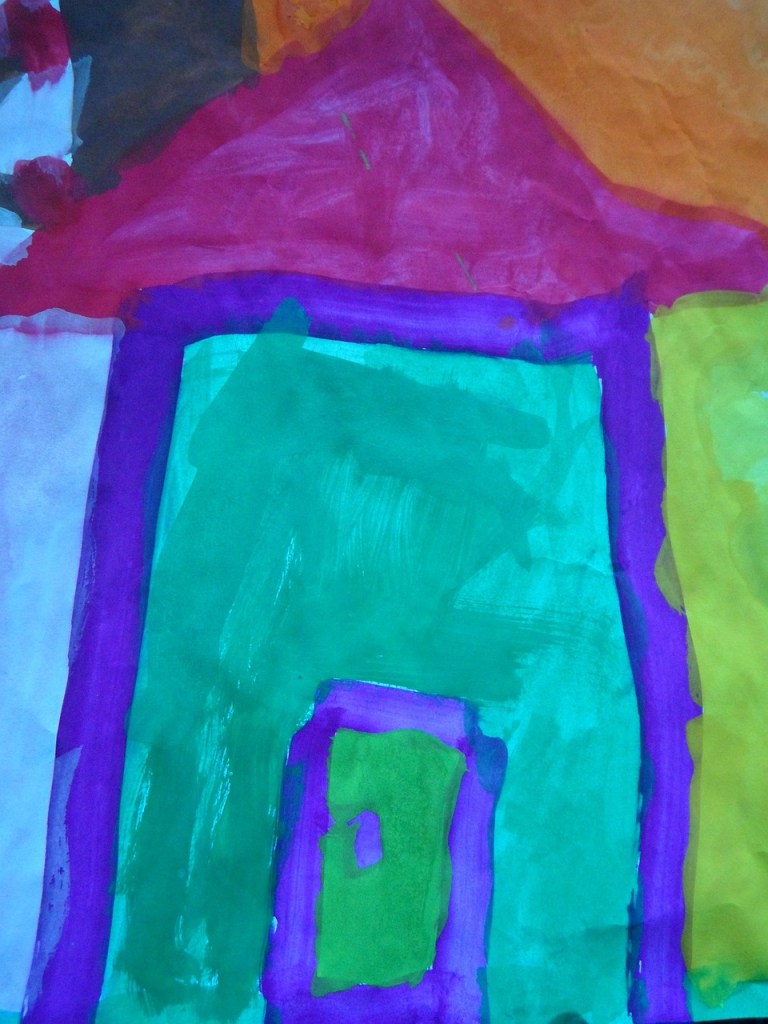
- Art and Creative Play – painting, drawing, and crafting
- Science and Discovery – sensory bins, simple experiments, or nature walks
- Music and Movement – dancing, singing, or outdoor play
Afternoon objectives could include:
- Express ideas through art or music
- Explore natural materials with curiosity
- Develop gross motor skills through movement
Using a Weekly Plan
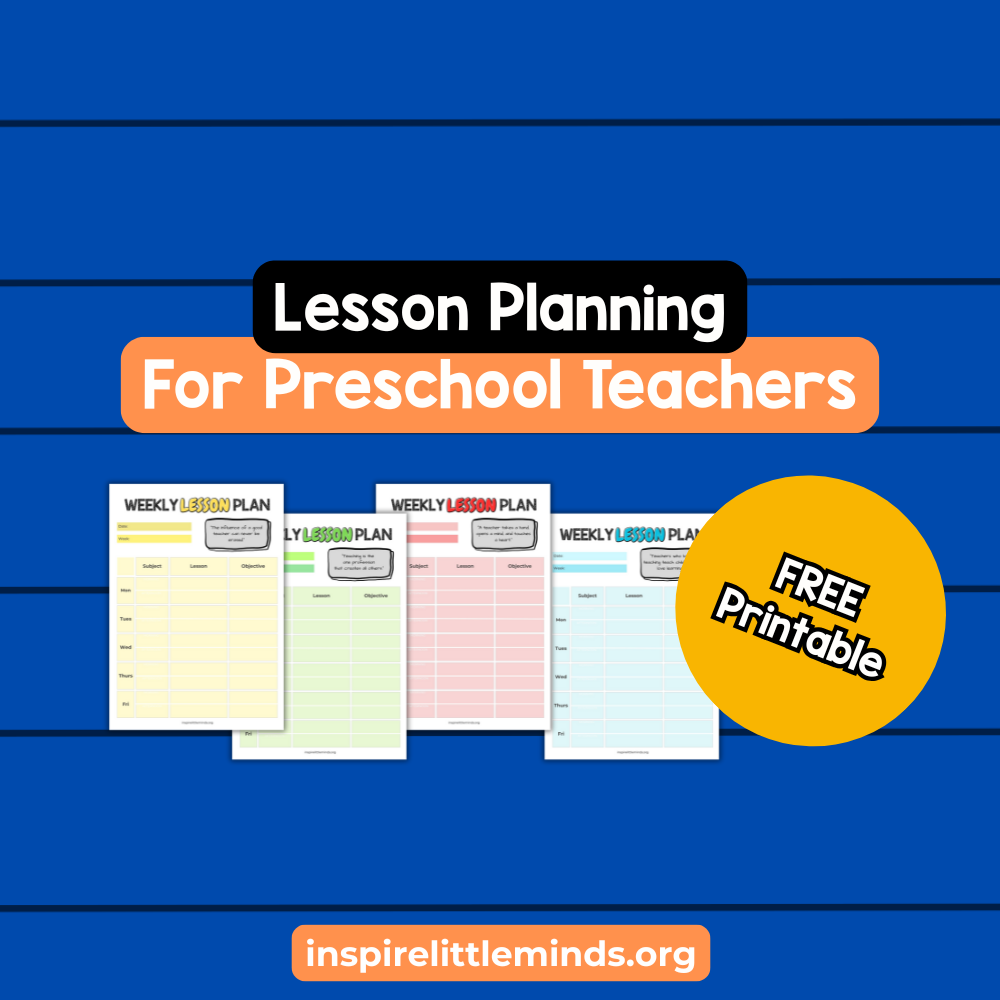
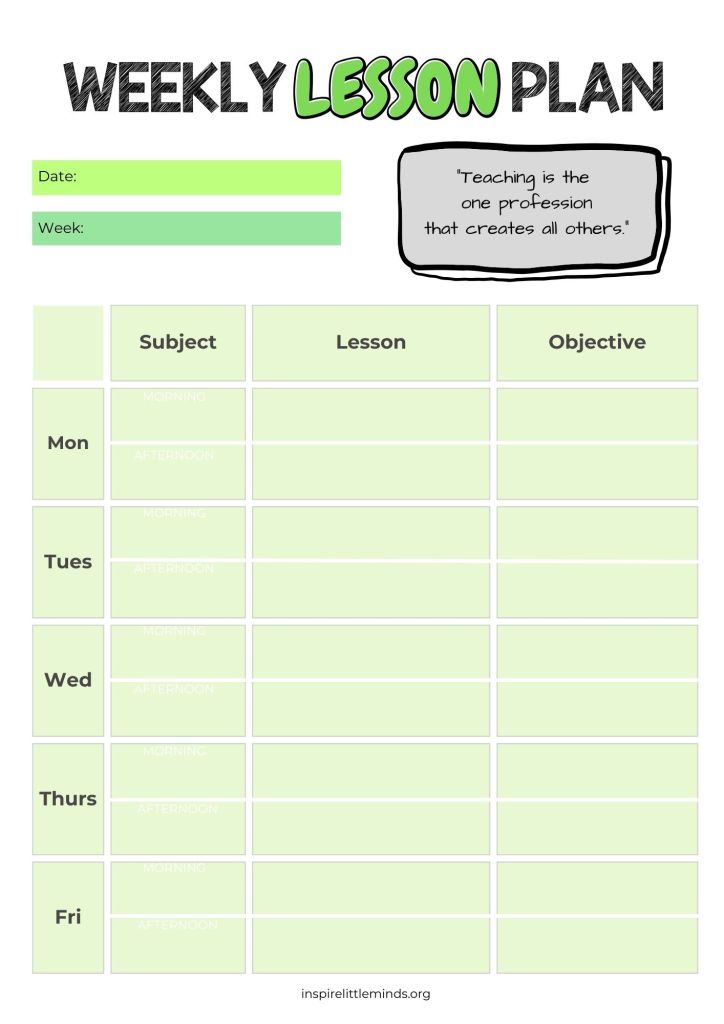
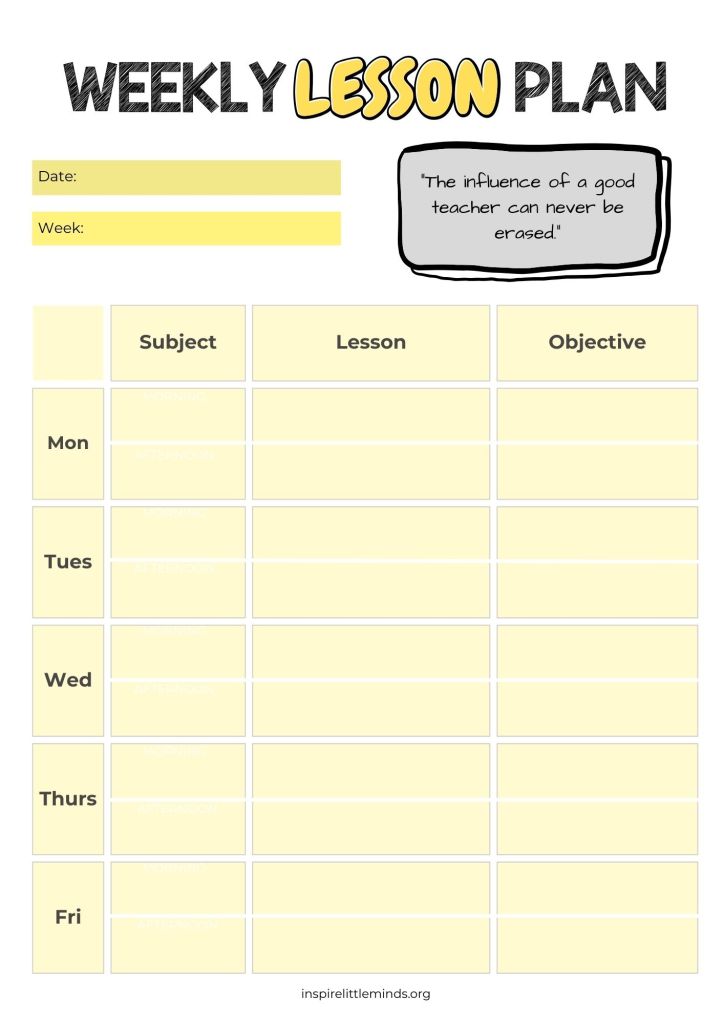
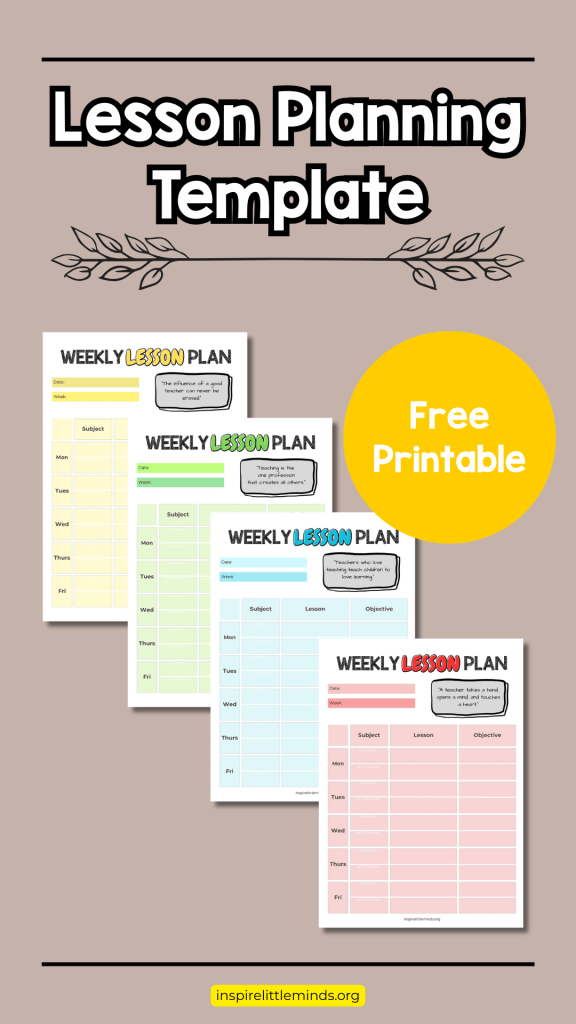
To help you organize your preschool day, we’ve included a 4 weekly lesson plan template.
This resource allows you to map out your mornings and afternoons with clear objectives, while also leaving room for flexibility.
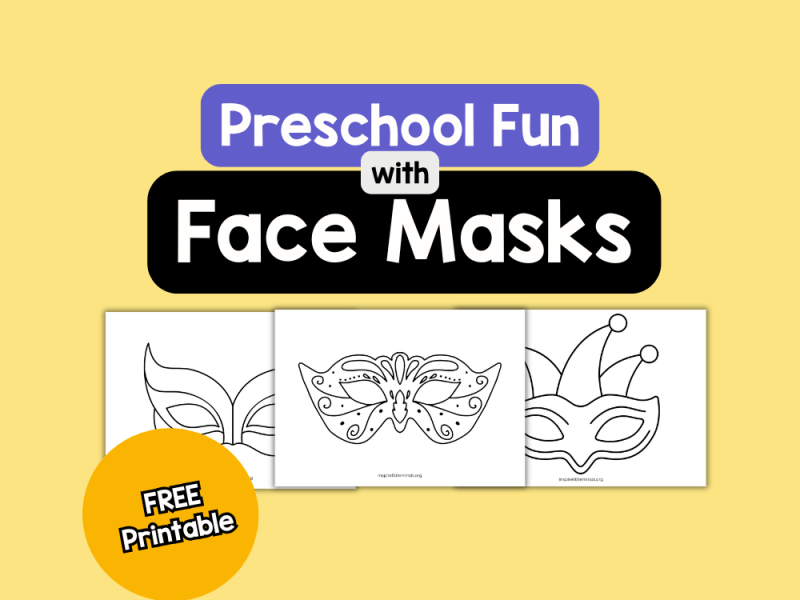
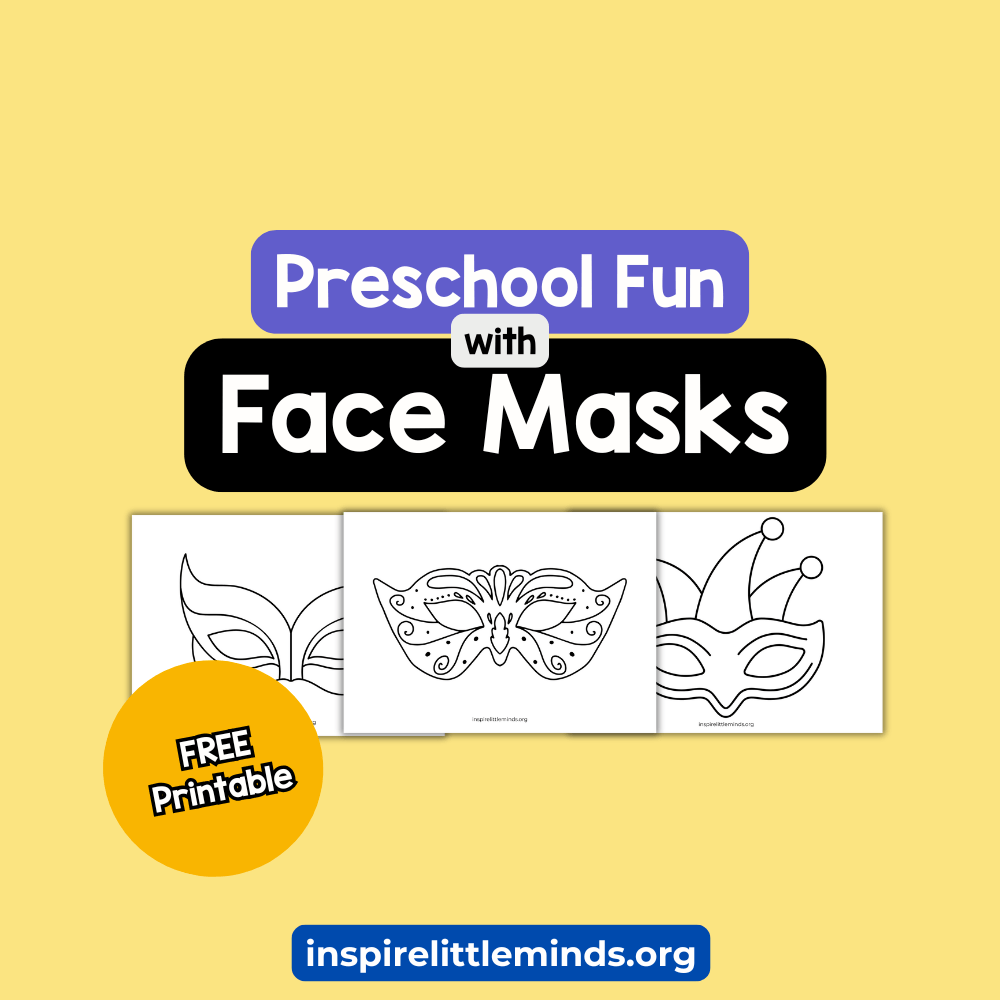
Preschool Fun with Face Masks
Character role play engages children’s imagination while teaching emotional and social skills. Free printable face masks enhance pretend play, allowing kids to explore various roles. Through role play, children develop language, confidence, and problem-solving skills. Creating themed environments encourages deeper learning about emotions and cultural awareness, enriching their creative experiences.

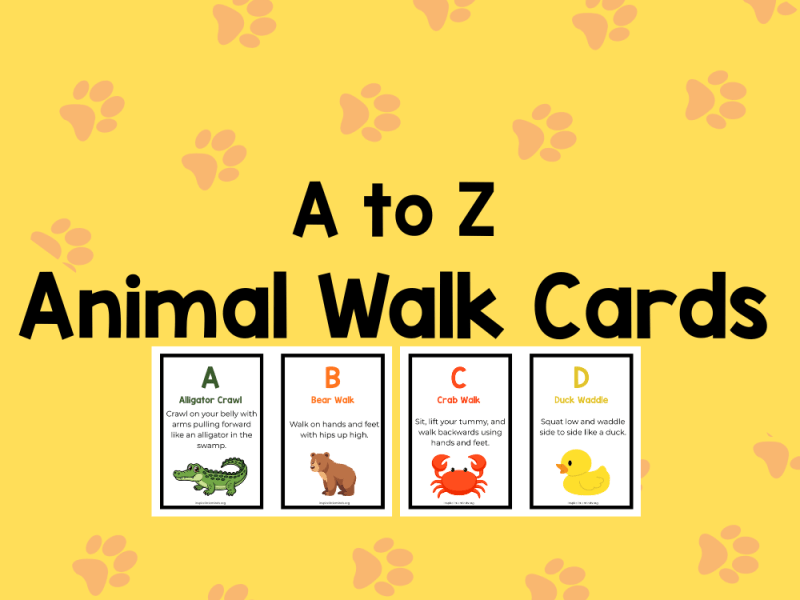
Animal Walk Cards: Fun Movement and Imagination Play for Preschoolers
The Animal Walk Cards are a fun, engaging resource that encourages children to inventively move like various animals. This activity promotes gross motor skills, imagination, self-regulation, social interaction, and language development. Ideal for classroom or home use, these cards facilitate joyful play while enhancing physical and emotional growth in preschoolers.

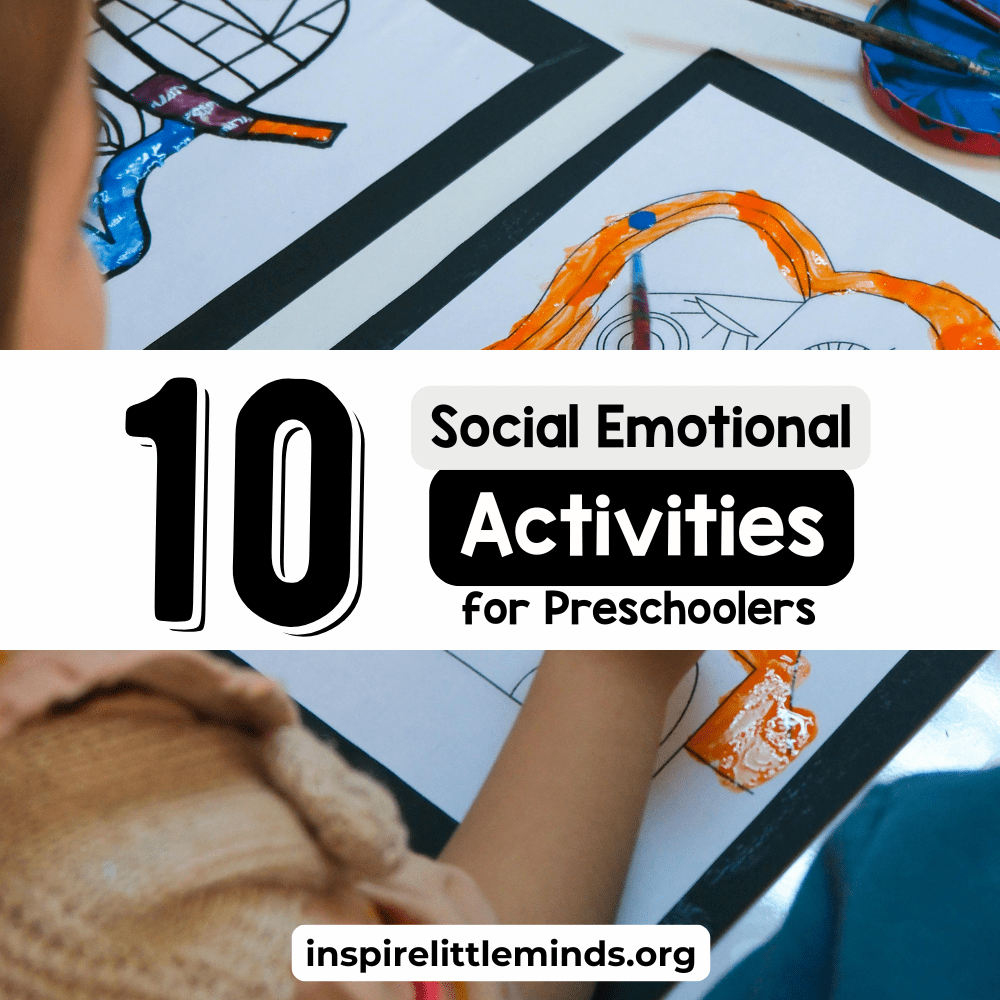
10 Social- Emotional Activities for Preschoolers
Social-emotional learning (SEL) fosters preschoolers’ emotional intelligence, confidence, and empathy through engaging activities. Ten suggested activities include using flashcards for emotions, mindfulness techniques, crafting gratitude projects, and reading emotionally resonant stories. These interactive methods promote vital skills like self-awareness, emotional regulation, and relationship-building, ensuring children develop lasting social-emotional skills.





Leave a comment