
Building emotional intelligence, confidence, and empathy through play and connection
Social-emotional learning (SEL) helps preschoolers understand their feelings, manage emotions, and build positive relationships. At this age, children are learning to share, express their needs, and show kindness. By using hands-on, meaningful activities, we can nurture these important life skills in fun and creative ways.
Here are 10 engaging SEL activities to try — each paired with printable resources.
This post contains affiliate links. If you purchase through these links, I may earn a small commission at no extra cost to you. I only share resources I genuinely use and love.
1. Explore Feelings with Emotions Flash Cards

Understanding emotions starts with recognizing them. The Emotions Flash Cards feature expressive faces that help children identify feelings such as happy, sad, angry, surprised, and scared.
Why it matters: When children can name their feelings, they’re better able to communicate and manage them.
Try this: Hold up a card and ask, “When have you felt this way?” Encourage children to describe what happened and what helped them feel better.
Printable: Emotions Flash Cards
2. Practice Calm Breathing with the Meditation Poster

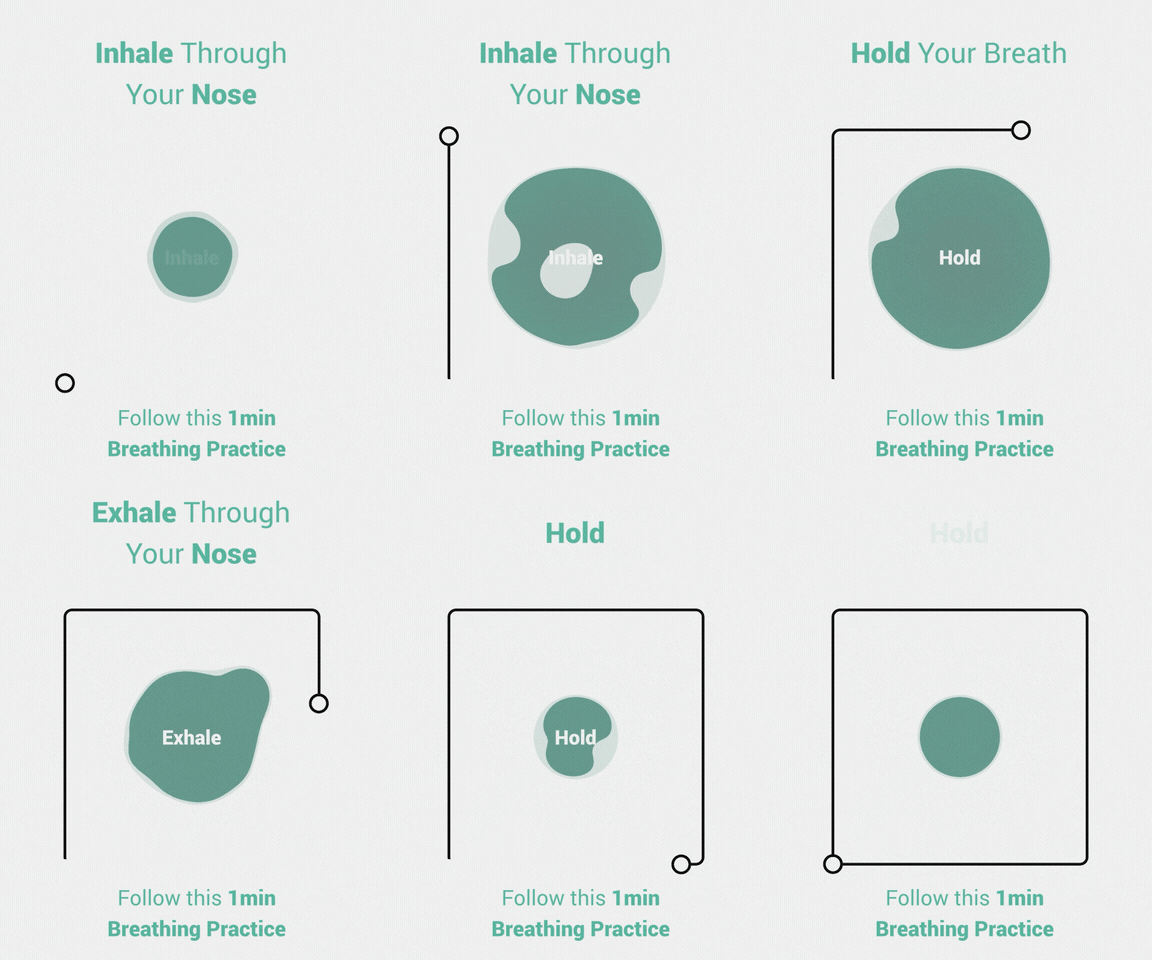
Mindfulness helps children stay calm and focused. The Meditation Poster provides simple breathing exercises and visual guides that teach self-soothing techniques.
Why it matters: Deep breathing reduces stress and helps children respond thoughtfully instead of reacting impulsively.
Try this: Before story time or after outdoor play, invite everyone to take three deep “balloon breaths” using the poster as a guide.
Printable: Meditation Poster
3. Use Self-Regulation Cards During Play and Transitions

The Self-Regulation Cards are visual reminders that teach coping skills — like taking a break, breathing deeply, or asking for help. Use them throughout the day when emotions get big.
Why it matters: Preschoolers are still learning to manage frustration and disappointment. These cards make emotional regulation visible and achievable.
Try this: Keep the cards in a calm-down corner or emotion center. When a child feels upset, invite them to choose a card that will help them feel better.
Printable: Self-Regulation Cards
4. Build Gratitude with the Thankful Turkey Craft

Gratitude fosters positivity and empathy. The Thankful Turkey Craft encourages children to reflect on what they appreciate — from family and friends to their favorite toys or pets.
Why it matters: Expressing thankfulness helps children shift their focus from what they don’t have to what they do have.
💡 Try this: During group time, each child adds a feather with something they’re thankful for. Display your turkeys on a wall to create a “Gratitude Garden.”
Printable: Thankful Turkey Craft
5. Boost Self-Awareness with Playdough Mats

The Self-Awareness Playdough Mats allow children to explore their identity and express emotions creatively. They can create faces showing how they feel or features that represent themselves.
Why it matters: Playdough play develops fine motor skills while promoting emotional self-expression.
Try this: Encourage children to create a “happy face,” “tired face,” or “silly face” and talk about what makes them feel that way.
Printable: Self-Awareness Playdough Mats
6. Teach About Emotions Through Stories and Play

Use your Ways to Teach About Emotions and Feelings printable as a foundation for daily emotional learning. Incorporate storytelling, puppets, and role-play to explore different feelings and responses.
Why it matters: Pretend play helps children process real-life emotions in a safe way.
Try this: Tell a short story about a character who feels left out. Pause to ask, “What could the character do to feel better?” or “How could a friend help?”
Printable: Ways to Teach About Emotions and Feelings
7. Morning Affirmation Time with ABC Affirmation Cards

Positive self-talk helps children build resilience and confidence. The ABC Affirmation Cards feature affirmations like “A is for Amazing,” “B is for Brave,” and “C is for Caring.”
Why it matters: Repeating affirmations helps children internalize positive beliefs about themselves.
Try this: Each morning, pick one card and say it together: “I am brave!” Discuss what it means to be brave that day.
Printable: ABC Affirmation Cards
8. Create a Classroom Emotion Chart

Make an “Emotion Chart” where each child moves their name or picture to show how they feel that day. Pair it with the Emotions Flash Cards for reference.
Why it matters: Children learn empathy by recognizing that everyone experiences different emotions.
Try this: Ask, “Who’s feeling excited today?” and talk about what’s making them feel that way.
Printable: Emoji Emotions Colouring In Pages
9. Emotional Regulation Cards

A great tool to have for circle time, where the adult asks children the question on the card. Testing children’s knowledge and inviting discussion to take place.
Why it matters: Brings awareness and discussion
Try this: How do you feel when you are in different situations- school, at a party, eating vegetables, in the car, with your friends?
10. Read Books That Nurture Emotional Growth

Stories bring emotions to life. Reading together allows children to see feelings through a character’s eyes and discuss how to handle them.
Recommended Books:
- The Color Monster by Anna Llenas — helps children understand mixed emotions
- In My Heart: A Book of Feelings by Jo Witek — explores feelings in a poetic, child-friendly way
- A Little Spot of Emotion series by Diane Alber — introduces emotions through colorful, relatable spots
- I Am Enough by Grace Byers — celebrates self-worth and kindness
- The Invisible String by Patrice Karst — teaches love and connection, even when apart
Try this: After reading, ask children to share times they’ve felt the same way as the character.
Overall…
By using engaging activities, meaningful conversations, and the printable resources, you can help preschoolers build emotional intelligence, kindness, and confidence that lasts a lifetime..
Social Emotional Learning Preschool – FAQ
Why is social emotional learning important for preschoolers?
Social emotional learning is important in early childhood because it supports brain development, behavior regulation, and school readiness. Preschoolers who develop strong social emotional skills are better able to manage frustration, follow directions, build friendships, and participate in classroom activities. Research consistently shows that strong SEL skills improve both academic and behavioral outcomes.
What are examples of social emotional skills in preschool?
Examples of social emotional skills in preschool include:
- Identifying and naming emotions
- Taking turns and sharing
- Listening to others
- Managing big feelings
- Showing empathy
- Following simple rules
- Using words instead of physical reactions
These skills form the foundation for healthy relationships and positive classroom behavior.
How do you teach social emotional learning to preschoolers?
Social emotional learning can be taught through:
- Emotion flash cards
- Feelings charts
- Role-play activities
- Storybooks about emotions
- Calm-down corners
- Daily check-in routines
Consistent modeling by adults is essential. When teachers and parents demonstrate calm behavior and emotional awareness, children learn by example.
What are the benefits of teaching emotions early?
Teaching emotions early helps children develop self-regulation, confidence, and empathy. When preschoolers can name their feelings, they are less likely to express frustration through challenging behaviors. Early emotional literacy also strengthens communication skills and builds a strong foundation for future academic learning.




Leave a Reply